
July 20 2026
You’ve been thinking about it for a while. Maybe a dentist mentioned it. Maybe you caught yourself avoiding smiling in a photo. Maybe you’ve seen the ads, done some research, and still can’t quite tell what’s marketing and what’s true.
This guide cuts through it, honest answers on what invisible braces deliver, what they ask of you, and how to decide which type is worth your time and money.
Is It More Than Just Cosmetic? Why Your Smile Is Worth Investing In
Most people ask this question with aesthetics in mind. The real answer runs deeper.
Misaligned teeth are harder to clean, raising the long-term risk of decay and gum disease. An uneven bite can contribute to jaw tension that some people live with for years, without connecting it to their teeth. And a smile you’re not happy with has a quiet but real impact, on confidence in professional settings, in photographs, and in the moments you hold back a laugh.
Straightening your teeth is a long-term investment in your health and confidence. The question is which option is worth choosing.
Not All Invisible Braces Are the Same
Here is where most people get stuck, assuming “invisible braces” means one thing. It doesn’t.
The term covers three distinct types that work completely differently, cost differently, and ask very different things of the patient. Choosing the wrong one affects your daily life, your compliance, and ultimately your result.
| Type | Visibility | Removable? | Daily Effort |
|---|---|---|---|
| Clear Aligners | Nearly invisible from the front | Yes | High, 20–22 hrs daily |
| Ceramic Braces | Visible at close range | No | None |
| Hidden Braces (e.g. Brava®) | Invisible | No | None, works 24/7 |
Clear Aligners, Nearly Invisible, Removable, Compliance-Dependent
Custom plastic trays worn over the teeth and swapped every one to two weeks. Nearly invisible from the front, but requires 20–22 hours of daily wear. Every hour out of the mouth is an hour the treatment isn’t progressing.
Ceramic Braces, The Staining and Visibility Trade-offs
Tooth-colored brackets fixed to the front of the teeth, less noticeable than metal brackets, but still visible at close range and in photographs. Elastic ties discolor from coffee and dark foods. Regular adjustment visits required throughout treatment.
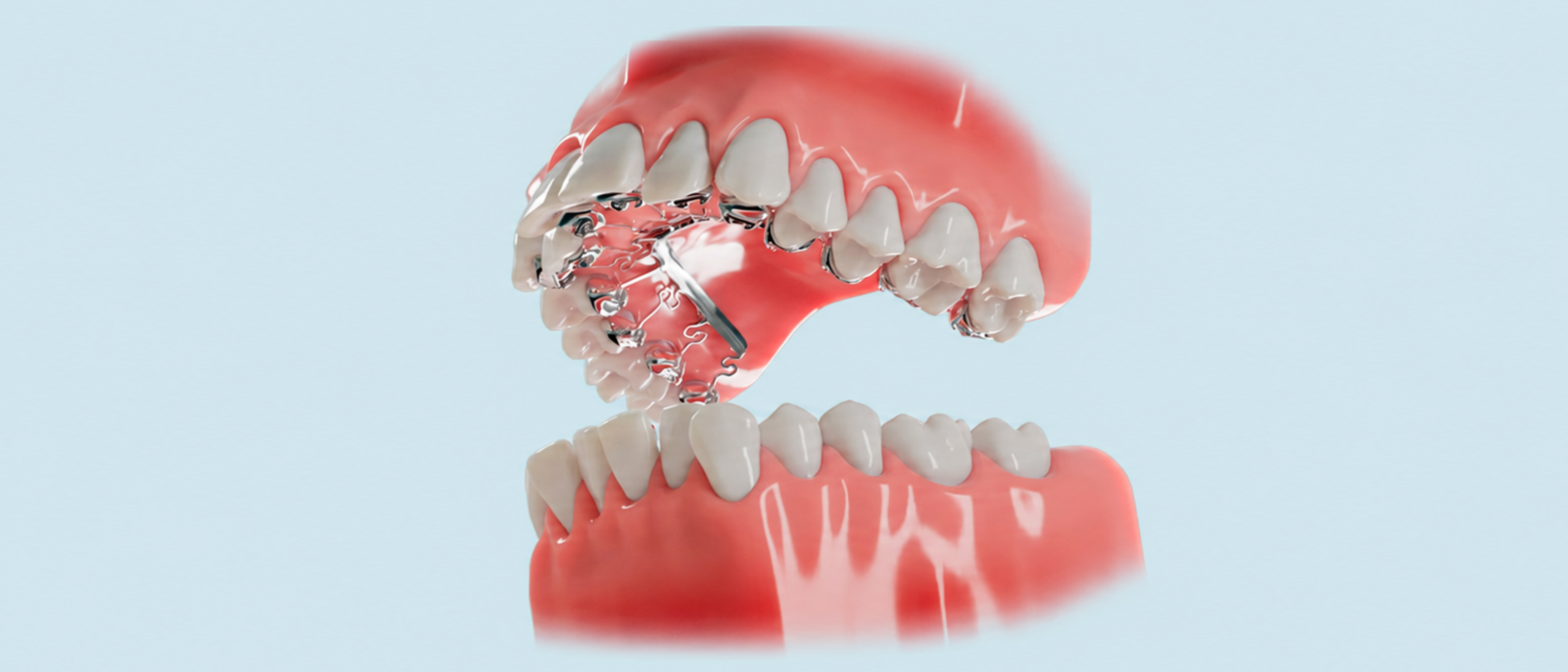
Hidden Braces, Invisible, Fixed, No Daily Effort
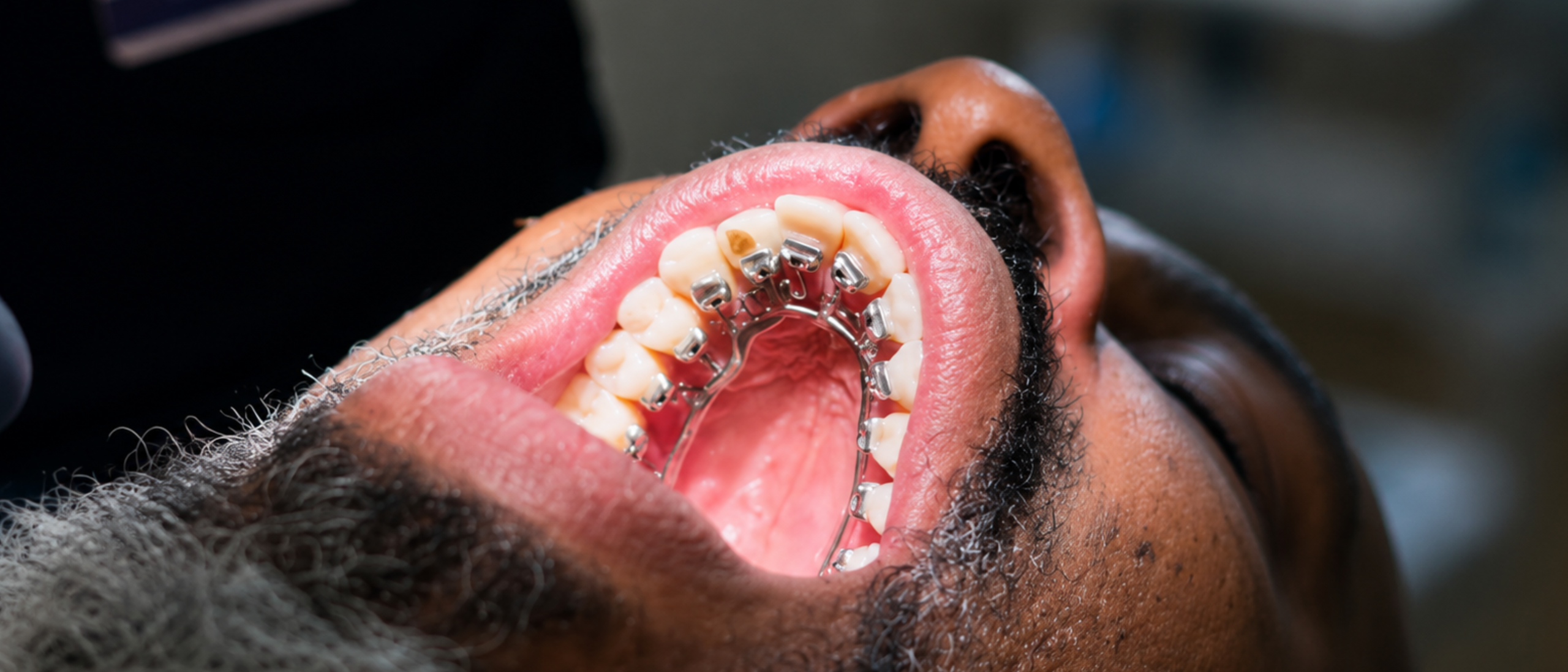
Brackets fixed entirely to the back of the teeth, hidden from view. Nothing to remove or track. Work continuously from the moment of placement, without requiring daily wear tracking. Normal daily hygiene still applies.
Brava Hidden Braces is one of the most advanced systems in this category, built for patients who want discreet treatment and minimal daily upkeep. This guide covers what makes it different. But first, here is what invisible braces actually offer, and what they honestly ask of you.
Most people have only seriously considered the first option. The third one changes the answer entirely.
The Real Benefits of Invisible Braces, And Where the Differences Start to Matter
Will invisible braces change how you feel about your smile, and will the treatment fit your life? Here is what each type genuinely offers.
Invisible, Not Just Nearly Invisible
Clear aligners are nearly invisible from the front, when worn. Ceramic braces are less noticeable than metal, but visible up close and in photographs. Only hidden braces sit entirely behind the teeth, out of view from the front, a significant distinction for anyone in a professional role or who values discretion during treatment.
Helen (24): “I am a physical therapist, and having metal on the outside with traditional braces seemed a bit intimidating. That’s why I went forward with Brava!”
No Daily Management
Clear aligners require removal before every meal, coffee, or drink other than water, and reinsertion immediately after, every day. Hidden fixed braces require none of this. Treatment runs continuously, without daily wear to manage, though normal hygiene still applies.
Works Continuously, No Daily Wear to Track
Clear aligners only work when worn. Hidden fixed braces work every hour from the moment of placement, without needing to be removed for eating.
Insights: A study of 2,644 patients found that only 36% were fully compliant with aligner wear. Nearly 26% were poorly compliant, timelines were extended and results directly affected.
Compliance is not a character flaw. It is a system design question.
Fixed Precision, For More Complex Cases
Clear aligners work for mild to moderate cases. For complex movements, rotations, bite corrections, longer tooth travel, fixed systems deliver more continuous, controlled force.
Fewer Appointments, And What That Means for Your Schedule
Traditional braces require visits every 4–6 weeks. Clear aligners require frequent monitoring. The difference over 18–24 months is significant in terms of time, travel, and disruption.
Confidence From Day One
When no one can see you are in treatment, self-consciousness around your smile eases much earlier than expected, not at the end, but from day one.
Insights: A peer-reviewed study found satisfaction rates of 92% among patients with invisible braces, compared with 76% among those with traditional braces.
Long-Term Oral Health
Straighter teeth reduce the risk of decay and gum disease. Both clear aligners and hidden braces make oral hygiene easier than traditional fixed brackets, aligners because removable, hidden braces because there are no front-of-tooth wires.
What to Honestly Expect, The Challenges
Every type of invisible treatment has real trade-offs.
Clear Aligners, What They Actually Ask of You
- Must be worn 20–22 hours every single day, removed before every meal, coffee, or drink other than water
- Easy to forget, every hour out is an hour treatment isn’t progressing
- Can be lost or damaged, replacements add cost and delay
- Less effective for complex movements, which may increase the chance of needing further treatment
Ceramic Braces, Less Visible, Not Invisible
- Visible at close range and in photographs, not genuinely discreet in professional or social settings
- Elastic ties stain from coffee, tea, and dark foods
- Same adjustment schedule as traditional metal braces
Hidden Braces, The Honest Ask
- Tongue adjustment of around one to two weeks, most patients adapt quickly
- Require a specialist orthodontist, not available at every practice
- Higher investment than metal or ceramic options
What hidden braces do not ask: removing before meals or tracking wear hours. From placement, they work continuously, with normal daily hygiene still part of the routine.
The American Dental Association is clear: moving teeth requires professional supervision. At-home options carry genuine clinical risk.
What Makes Brava Hidden Braces Different
The biggest barrier to invisible braces is compliance. The biggest visibility concern is not the result, it is the journey. Brava Hidden Braces addresses both.
The Only Treatment That Moves Teeth in All Directions at Once
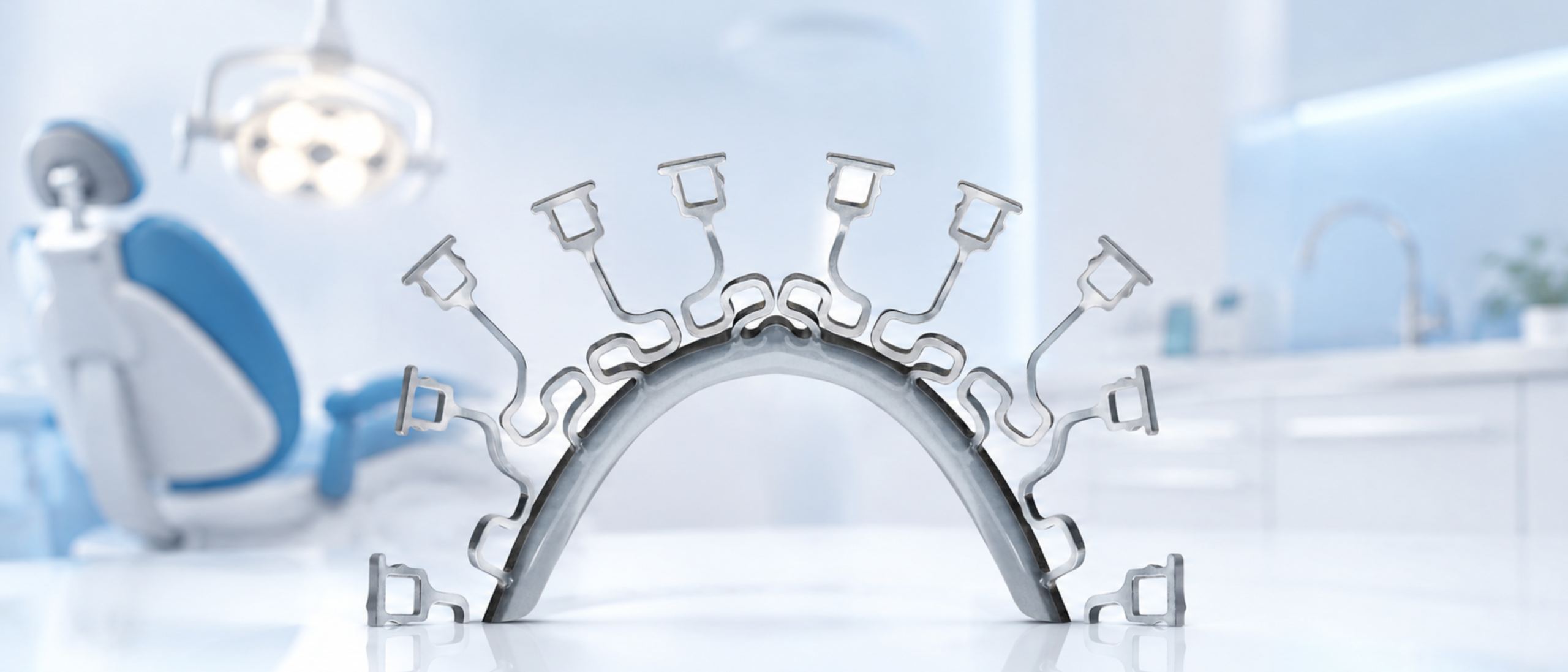
Brava sits entirely behind the teeth and works continuously from the moment of placement. No other treatment option can move teeth in all directions at once, each tooth is individually programmed to move simultaneously before a single bracket is placed.
Nothing to Lose, Nothing to Forget, Truly Hassle-Free
All tooth movement is programmed so Brava is always working, nothing to lose, nothing to remove before eating, though the same food precautions as traditional braces still apply. Treatment happens in the background while you live your life as you always have.
David (29): “I try to eat 6 meals a day, so this sounded like the better option for me and offered less hassle.”
Independent Mover™ Technology, How It Works
Patented Independent Mover™ technology powers Brava. NiTi shape-memory arms deliver gentle, continuous force, teeth move steadily without pressure spikes. Self-engaging brackets ensure consistent progress between visits, and the spring-lock mechanism keeps everything securely in place, out of sight. Once engaged, Brava Independent Movers gently and simultaneously move teeth in all six degrees of freedom, precisely following the treatment plan.
Sarina (26): “When I was in high school, I did Invisalign, but I was really bad about wearing my trays, and it just didn’t work for me. I also didn’t want regular braces, so I chose Brava.”
Most Cases Completed in Just 1–2 Stages
Most cases need just 1–2 appliance stages, without the many sequential stages aligner treatment often requires. Digital treatment planning maps every movement before treatment begins.
Treatment Time and Cost, What to Expect
How Long Does Treatment Take?
| Treatment Type | Average Duration | Key Consideration |
|---|---|---|
| Traditional Braces | 18–24 months | Regular adjustments required |
| Clear Aligners | 18–24 months | Entirely dependent on daily wear |
| Brava Hidden Braces | 6–12 months | Continuous movement, fewer visits |
Aligner timelines often extend when compliance is inconsistent. Most Brava cases are completed in approximately 6–12 months, with only 4–6 office visits.
What Does It Cost?
Cost varies by case complexity, provider, and location, and Brava tends to sit at the same price as clear aligners. But sticker price isn’t the full picture: fewer appointments, no lost-tray replacements, and a shorter timeline all offset the upfront number. Most dental insurance plans cover invisible braces similarly to traditional braces. Your Brava provider will walk you through exact costs at your consultation.
Is This the Right Choice for You?
You’ve seen the types, benefits, challenges, and numbers. Now apply them to your own situation. Four honest questions, your answers will do the work.
How Realistic Is Daily Compliance for You?
Wearing aligners 20–22 hours every day, removing them before every meal, and reinserting them immediately after, for 18–24 months, is a real commitment. Be honest with yourself. If your schedule is unpredictable or out-of-sight becomes out-of-mind, a fixed system removes the need to track daily wear.
How Much Does Invisibility Matter?
Ceramic braces reduce visibility. Clear aligners are nearly invisible from the front when worn. Only hidden braces like Brava® stay out of view, including at close range and in photographs. If complete privacy during treatment matters, only one type delivers it.
Is This Right for Your Teenager?
Teens are biologically strong candidates, active jaw growth means teeth move efficiently. Compliance is often a major factor in teen outcomes. A fixed hidden system removes the need to track daily wear. Parents prefer Brava over other treatment options 77% of the time.
How Many Appointments Can You Fit In?
4–6 total visits look very different from 12 or more across 18–24 months. The appointment commitment is a real, and often underestimated, part of the total cost of treatment.
If your answers point toward discreet treatment, minimal daily upkeep, and fewer appointments, you already know which direction this is heading. That is exactly what Brava was designed for.
Take the Next Step Toward Your Smile
The right invisible braces fit your life, not the other way around. A Brava provider will assess your case and find the right choice.
Frequently Asked Questions
Are Invisible Braces and Clear Aligners the Same Thing?
No, clear aligners are one removable type within a broader category that includes ceramic braces and hidden lingual braces like Brava®.
Are Invisible Braces Worth It for Adults?
Yes, Brava suits adults who want discreet treatment and minimal daily upkeep, making it a good fit for busy professional lives.
Are Invisible Braces Worth It for Teenagers?
Yes, active jaw growth makes teens strong candidates, and for those who struggle with compliance, Brava removes the need to track daily wear while keeping treatment discreet. Parents prefer Brava 77% of the time.
Do Invisible Braces Actually Work?
Yes, a peer-reviewed study found 88–90% success rates for both types, and Brava delivers continuous movement without depending on daily wear tracking.
What Happens If I Don't Wear My Aligners Consistently?
Every hour out, treatment can stall, inconsistent wear is a common cause of extended timelines.
How Long Do Invisible Braces Take?
Most Brava cases are completed in approximately 6–12 months, but it depends on your specific case. Make an appointment with your orthodontist to learn more.
Are Invisible Braces More Expensive Than Traditional Braces?
Generally yes, invisible options tend to sit at the higher end compared to traditional metal braces. Exact cost depends on case complexity, provider, and location. Most dental insurance covers invisible braces similarly to traditional options.
Are Invisible Braces Uncomfortable?
Some initial adjustment is normal, and discomfort can vary from person to person, but it typically resolves within a few days to a week. Learn more about Brava’s comfort features and the Brava® Plus System.
How Do I Know Which Type of Invisible Braces Is Right for Me?
Work through this guide, compliance, visibility, schedule, case complexity, then consult a Brava provider who can assess your situation and recommend the right fit.