
Aug 03 2026
Maybe you noticed one bottom tooth starting to turn. Maybe a small gap has reopened. Or maybe everything still looks straight, but your bite suddenly doesn’t feel quite the way you remember.
If you’ve already been through orthodontic treatment, that can be frustrating.
Can your teeth shift after braces? Yes.
But movement after braces doesn’t automatically mean your treatment failed or that your teeth are “going back to square one.”
Some movement may be relapse toward a previous tooth position; other changes can reflect ongoing growth, aging, or changes in the tissues supporting the teeth. A review of orthodontic retention discusses the distinction between true relapse and later physiological changes.
The more useful questions are:
What moved? Why did it move? Is it continuing? And does it actually need correction?
Can Your Teeth Shift After Braces Even When Treatment Worked?
Yes. Successful orthodontic treatment and later tooth movement can both be true.
Braces can place your teeth where your orthodontist planned them. But removing the appliance doesn’t permanently lock those teeth into bone.
Why Teeth Aren’t Permanently Locked Into Their New Positions
Orthodontic treatment moves teeth through living bone and supporting tissues.
When a tooth moves, the tissues around its root remodel to accommodate its new position. After braces come off, those tissues continue reorganizing.
Reviews of orthodontic retention and stability describe this ongoing biological adaptation as one reason retention remains important after active orthodontic treatment.
That is why it is more accurate to think of your orthodontic result as maintained, not permanently frozen.
Why Post-Braces Movement Doesn’t Automatically Mean Treatment Failed
This is important if your first reaction is:
“So all those months in braces were for nothing?”
Not necessarily.
Orthodontic research distinguishes relapse toward a previous tooth position from other changes that can occur after treatment. A review of orthodontic retention discusses both true relapse and later physiological changes.
Your original treatment may have worked exactly as planned.
The fact that your mouth continued changing afterward is a different issue.
Why Do Teeth Shift After Braces?
There isn’t one single reason teeth shift after braces.
Post-treatment stability reflects a balance between the tissues around the teeth, retention, bite forces, normal aging, growth, and other biological influences.
How Bone and Supporting Tissues Continue to Adapt
When orthodontic forces move a tooth, the bone and tissues surrounding its root remodel so that the tooth can occupy a new position.
That adaptation doesn’t end the moment your braces are removed.
Periodontal and gingival tissues continue reorganizing after treatment, and that process can influence how stable a corrected tooth position remains.
This is why orthodontic treatment doesn’t simply end with appliance removal. Retention is part of maintaining the result after active movement has finished.
The Role Retention Plays in Maintaining Tooth Position
Retainers are designed to help hold teeth in their corrected positions after active orthodontic treatment.
The American Association of Orthodontists explains that retainers help maintain tooth position after treatment.
But here’s the important nuance:
A retainer helps control unwanted movement. It does not make your mouth biologically incapable of changing.
That means following your retention plan matters, but even good retention doesn’t create a guarantee that absolutely nothing in your mouth will ever change.
For more detail, see Brava’s guide to what a retainer does after orthodontic treatment.
Why Teeth Can Still Change Years After Treatment
This is where many adults become confused.
“I finished braces 10 years ago. Why would anything change now?”
Because your mouth is still changing.
Long-term changes can affect arch dimensions, tooth alignment, and the way forces act on individual teeth.
Tooth position is better understood as an equilibrium among several influences, including the lips, tongue, periodontal tissues, bite forces, neighboring teeth, and normal dentofacial change. Research on equilibrium theory and tooth position describes this balance.
Think of tooth position as a balance, not a lock.
How Much Teeth Shifting After Braces Is Normal?
There isn’t one universal amount of movement that can be labeled “normal” for every patient.
A small positional change in one tooth may mean something very different from the same amount of movement elsewhere. The type and location of the movement matter along with the amount.
Minor Changes vs. Movement That Deserves Attention
A tiny change you only notice by comparing old photographs may be very different from:
- a previously closed gap reopening,
- lower-front crowding becoming visible,
- a tooth starting to rotate,
- a retainer no longer fitting correctly,
- or your bite beginning to feel different.
Those changes do not automatically mean you need treatment again.
But they are reasons to understand what is changing and whether it is continuing.
Why There Isn’t One “Normal” Amount of Movement for Everyone
Every person begins with different tooth positions, bite relationships, supporting tissues, growth patterns, and retention history.
A systematic review of long-term orthodontic stability found changes in arch dimensions and anterior alignment after treatment, while also highlighting how difficult individual long-term outcomes can be to predict.
So avoid trying to diagnose relapse from a number you found online.
One millimeter in one person does not necessarily mean the same thing as one millimeter in another.
Are Your Teeth Settling, Naturally Shifting, or Relapsing?
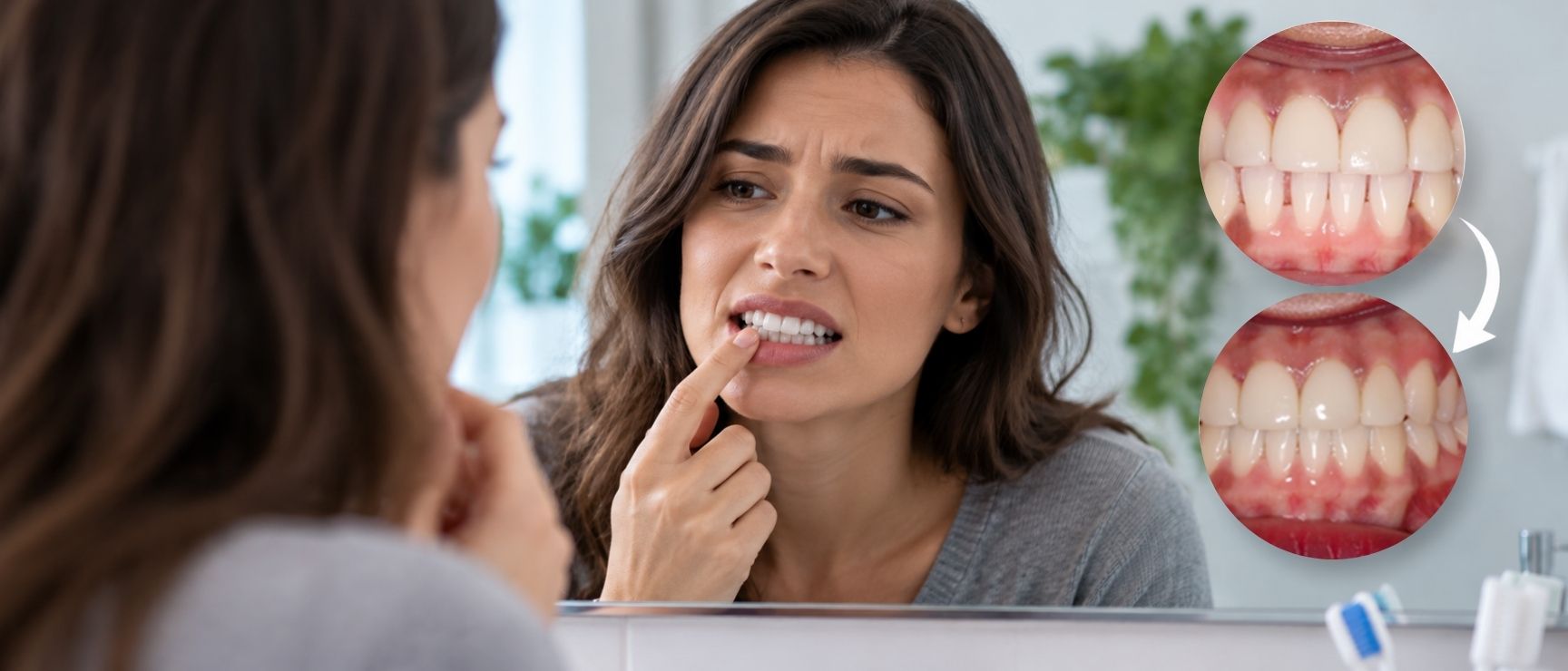
These terms describe different kinds of post-treatment change.
Settling generally refers to adjustments in how teeth contact after active orthodontic treatment.
Natural long-term shifting refers to changes that develop over time without necessarily recreating your original orthodontic problem.
Orthodontic relapse is more specific: it means movement back toward the original malocclusion or tooth position.
The important distinction is not simply whether something moved.
It is what kind of movement occurred.
What Orthodontic Relapse Actually Means
If a tooth was rotated before treatment, was straightened, and later begins rotating toward its former position, that may represent orthodontic relapse.
If that same tooth moves in a completely different direction, though, the change isn’t automatically the same phenomenon.
Relapse is therefore not simply:
“My tooth moved.”
It is:
“My tooth is moving back toward the problem that was previously corrected.”
Why Not Every Post-Braces Change Means Your Teeth Are Returning to Their Original Positions
Normal aging, long-term arch changes, bite relationships, periodontal factors, and other biological influences can create positional changes that were not part of your original malocclusion.
If you still have old photographs, they can actually be useful.
Ask yourself:
Is this tooth moving back toward where it started, or is it simply changing from where treatment left it?
You may not be able to determine that from the mirror alone, but an orthodontic assessment can help make the distinction.
Why Can One Tooth Shift While the Rest of Your Teeth Stay Straight?
One tooth can move while neighboring teeth appear stable because individual teeth do not all have identical starting positions, root shapes, available space, neighboring contacts, supporting tissues, or retention conditions.
A tooth that started treatment significantly rotated, for example, may behave differently over time from surrounding teeth that were already closer to ideal alignment.
A single lower incisor might begin rotating while the rest of the arch remains relatively straight.
That doesn’t automatically mean your entire orthodontic result is relapsing.
But one moving tooth should not be dismissed simply because everything around it still looks fine.
If isolated movement is noticeable or progressing, it is worth having it evaluated.
Can Your Bite Change Even If Your Teeth Still Look Straight?
Yes. Your smile can still look straight while the way your upper and lower teeth meet changes.
Why Post-Braces Stability Is About More Than a Straight-Looking Smile
Most people judge orthodontic stability from the mirror.
Orthodontists also look at your bite.
Your bite is a three-dimensional relationship. A change in a tooth’s rotation, angle, vertical position, or front-to-back position can affect where the upper and lower teeth make contact—even when your smile still appears aligned from the front.
That is why a straight-looking smile does not always tell the whole story.
Changes in the Way Your Upper and Lower Teeth Meet
Pay attention if:
- one part of your bite seems to touch before the rest,
- certain teeth begin hitting differently,
- your bite no longer settles into its familiar position,
- or a bite change occurs alongside visible tooth movement.
Those signs do not tell you exactly what caused the change.
They do tell you that the issue may involve function as well as appearance.
How Can You Tell When Teeth Shifting Needs Attention?
Teeth shifting deserves attention when it is progressing, recreating a previously corrected problem, changing how your retainer fits, or affecting the way your teeth meet.
You don’t need to panic over every tiny difference.
The key is recognizing movement that is becoming more noticeable or starting to affect alignment or bite function.
A Gap or Crowding Starts to Reappear
If a space that was previously closed begins reopening, or crowding you had corrected becomes visible again, that may indicate unwanted post-treatment movement.
Lower-front alignment also deserves attention because it can change with age. Research on long-term lower-incisor stability suggests that wisdom teeth should not automatically be blamed for lower-front crowding.
A Tooth Begins to Rotate or Change Position
A tooth that starts turning, leaning, or moving out of alignment can be an early sign that the arch is changing.
If that movement continues, an orthodontic evaluation can help determine whether it represents relapse, another type of positional change, or something that simply needs monitoring.
Your Bite Starts to Feel Different
Sometimes you notice movement by feeling it before you can clearly see it.
If your upper and lower teeth no longer meet the way they used to—especially if the change occurs alongside visible movement—discuss it with an orthodontic provider.
What Should You Do If Your Teeth Have Already Shifted?
First, identify what has changed and avoid trying to force your teeth back yourself.
Start With How Much—and What Kind of—Movement Has Occurred
Look at the change itself:
- Is one tooth involved or several?
- Has a gap reopened?
- Has crowding appeared?
- Does your bite feel different?
- Does your retainer still fit?
- Is the movement becoming more noticeable?
These observations won’t diagnose the problem, but they give your orthodontic provider useful information.
Why an Orthodontic Assessment Matters Before Trying to Correct It Yourself
A retainer that suddenly feels tight may suggest that tooth position has changed.
But don’t force an old retainer over noticeably shifted teeth.
Retainers are primarily designed to maintain corrected positions. Whether your existing retainer can safely help with minor movement depends on its fit, the amount and direction of movement, the appliance itself, and your current oral health.
Let your provider determine whether it is still appropriate.
When Active Orthodontic Correction May Be Considered
Active orthodontic correction may be considered when movement involves recurrent crowding, rotation, spacing, or a change in the bite.
But needing orthodontic correction again does not automatically mean repeating your original treatment.
The problem you have now may be smaller—or simply different—from what was treated the first time.
Can Teeth That Shift After Braces Be Corrected Again?
Yes. Many post-braces tooth movements can be corrected again.
The more important question is what needs to be corrected now.
Why Minor and More Significant Movement May Need Different Approaches
A slight positional change in one tooth may not need the same approach as several rotated teeth, significant crowding, reopened spacing, or a changed bite.
Your provider evaluates:
- which teeth moved,
- how much they moved,
- whether your bite changed,
- the health of your teeth and gums,
- and what result you’re trying to restore.
The treatment decision is based on the problem you have now, not simply the fact that you once had braces.
Why Retreatment Doesn’t Always Mean Repeating Your Original Braces Experience
This is often the bigger concern:
“I already did braces once. I really don’t want to go through all of that again.”
You may not have to.
Retreatment does not automatically mean the same appliance, the same mechanics, or the same overall treatment experience.
That’s where the treatment option you choose matters.
For someone who does not want visible braces again, does not want to manage removable trays throughout the day, or simply wants orthodontic retreatment to interfere less with work, school, meals, and social life, Brava® Hidden Braces can offer a very different experience from the one they remember.
Could Brava® Hidden Braces Be an Option If Orthodontic Correction Is Needed?
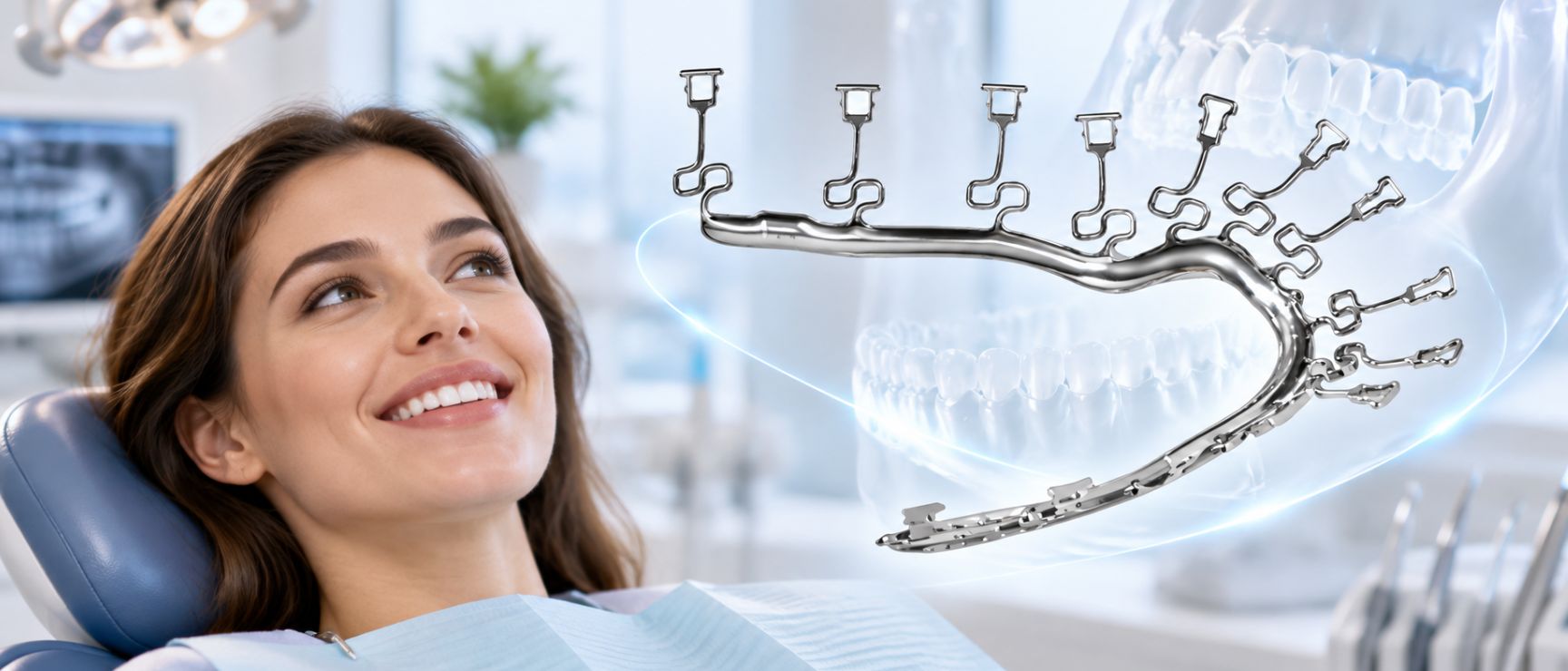
Yes. If active correction is appropriate, Brava® Hidden Braces can be a strong option for patients who want fixed orthodontic treatment that stays hidden and requires less day-to-day appliance management. Talk with your orthodontic provider to determine which treatment is right for you.
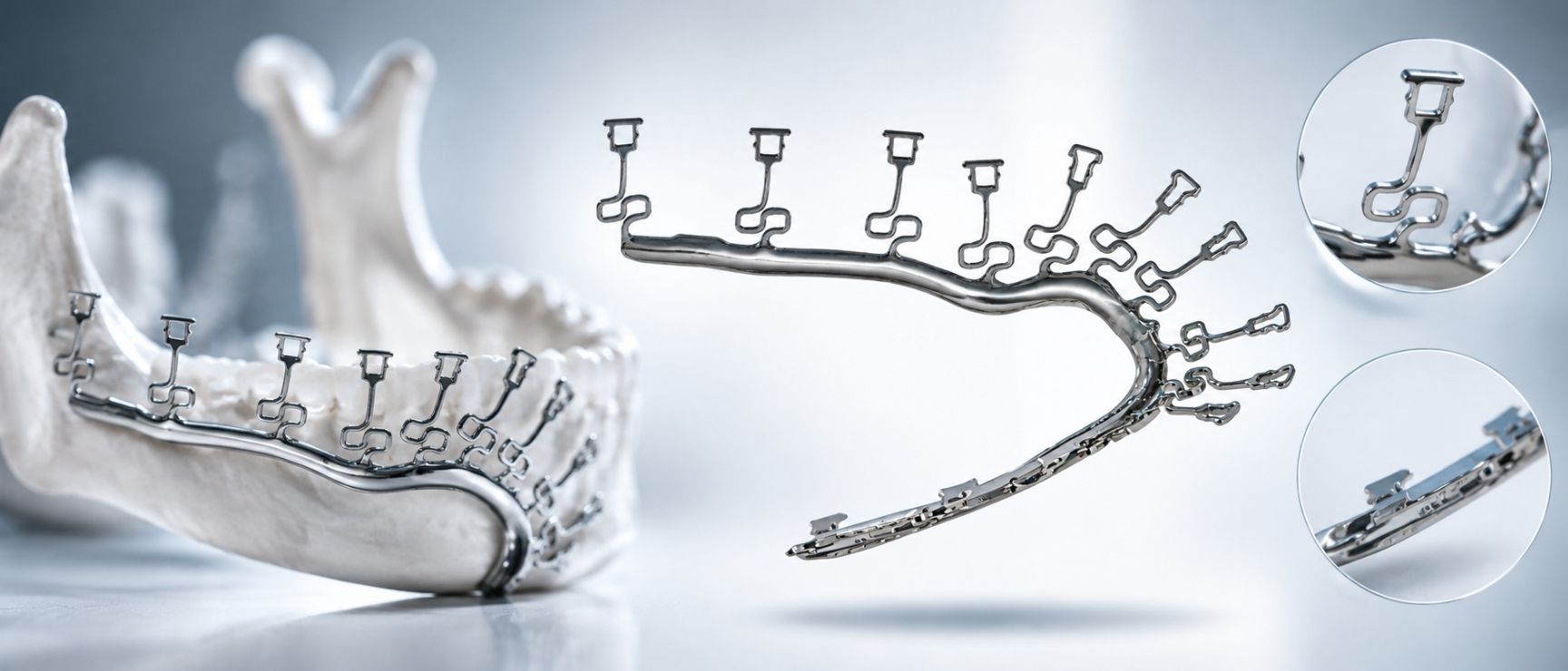
Brava works from behind the teeth and uses Independent Movers® technology to perform prescribed tooth movements independently, allowing multiple planned movements to occur simultaneously.
That combination is especially relevant in retreatment, when you may not need your entire smile moved in exactly the same way again.
A Fixed Orthodontic Treatment Hidden Behind Your Teeth
Brava is placed behind your teeth, keeping the orthodontic appliance hidden from the front.
For someone who has already experienced visible braces—or simply doesn’t want treatment to be obvious at work, school, in photographs, or socially—that can make retreatment feel very different.
Brava is designed with patient comfort in mind. Brava+ brackets feature smooth surfaces and rounded contours.
Orthodontic movement can still cause temporary sensitivity or discomfort, especially during adjustment. So Brava should not be described as “pain-free.”
The more accurate positioning is:
a hidden treatment designed with comfort in mind.
Independent Movers® Move Teeth Independently and Simultaneously
Brava’s Independent Movers® technology is programmed according to the doctor’s treatment plan so individual teeth can perform their prescribed movements independently while multiple planned movements occur simultaneously.
That matters in retreatment because different teeth may need different corrections.
One tooth may need rotation corrected. Another may require repositioning elsewhere in the arch. Some teeth may need relatively little movement.
Brava’s tooth-by-tooth approach gives the provider a fixed system designed around the movements your current case requires.
A Fixed, Hidden Option Without Daily Removal and Reinsertion
Brava stays fixed behind your teeth.
That means there are no removable trays to take out before meals, remember to reinsert, or manage throughout the day.
For adults, teens, and families who don’t want orthodontic treatment becoming another daily task, this can be a meaningful advantage.
Brava also reports treatment commonly in the 6–12 month range with around 4–6 visits. Treatment time ultimately depends on the complexity of the case and the plan prescribed by your provider.
[EDITOR NOTE — SOURCE VERIFICATION REQUIRED BEFORE PUBLICATION: Confirm the underlying data for the 6–12 month range and 4–6 visit estimate, including what the visit count covers.]
If you’re concerned about how long retreatment could take, how much discomfort to expect, or what treatment may cost, those are appropriate questions to ask during your consultation. Your Brava provider can give you case-specific expectations rather than a generic estimate.
Take the Next Step If You’ve Noticed Your Teeth Shifting
If you’re staring at one crooked tooth wondering whether your braces “stopped working,” don’t assume you need to start over.
Some movement may be minor. Some may reflect normal long-term change. Some may be orthodontic relapse. And some may benefit from active correction.
A Brava provider can evaluate your current tooth positions, bite, previous orthodontic treatment, and goals and determine:
- what has actually shifted,
- whether correction is necessary,
- and whether Brava® Hidden Braces are appropriate for your case.
Frequently Asked Questions
Can Your Teeth Shift After Braces Years Later?
Yes. Teeth can shift years after braces because your mouth continues changing throughout life. Aging, arch changes, periodontal tissues, bite forces, retention, and other biological influences can all affect tooth position.
Movement years later does not automatically mean your original orthodontic treatment failed.
How Quickly Can Teeth Start Shifting After Braces?
There isn’t one universal timeline.
Retention is especially important after active orthodontic treatment while supporting tissues reorganize, but the speed at which visible movement develops varies considerably from person to person.
Why Do Bottom Teeth Shift After Braces?
Lower-front teeth can undergo long-term alignment changes as the dental arches and other biological influences change over time.
Research shows that mandibular anterior alignment can change after orthodontic treatment. Wisdom teeth should not automatically be assumed to be the cause.
Can Your Teeth Shift After Braces Even With a Retainer?
Yes. A retainer helps maintain corrected tooth positions, but it cannot guarantee that no biological or age-related movement will ever occur.
If your teeth appear to be changing despite following your retention instructions, have both your tooth positions and retainer fit evaluated.
Can a Retainer Move Teeth Back After They Have Shifted?
Sometimes very minor movement may be managed with a provider-directed retention or limited orthodontic approach, but you should not force an old retainer over noticeably shifted teeth.
Whether your existing retainer is appropriate depends on its fit and the amount and direction of movement.
Does Teeth Shifting Mean You Need Braces Again?
No. Teeth shifting does not automatically mean you need braces again.
Whether active orthodontic correction is necessary depends on which teeth moved, how much they moved, whether your bite changed, your oral health, and your current treatment goals.