
Aug 28 2026
If you’re thinking about braces, you may be wondering: do braces affect speech, and will you sound different once treatment starts?
Yes, braces can temporarily influence speech for some people. How noticeable that change is depends partly on the appliance, where it sits in your mouth, and how you adapt to it.
Traditional and ceramic braces sit on the front of your teeth. Clear aligners cover them. Lingual braces sit behind them, closer to where your tongue works during speech. That difference in placement can change the adjustment experience.
It is also important to separate temporary changes caused by getting used to an appliance from speech difficulties that may already be related to tooth or bite position.
Do All Types of Braces Change Speech the Same Way?
No. Different orthodontic appliances interact with your mouth differently, so their effect on speech can differ too.
| Treatment | Where It Sits | Speech Consideration |
| Traditional metal braces | Front of teeth | Temporary changes are possible, with less direct tongue interaction than behind-the-teeth braces |
| Ceramic braces | Front of teeth | Broadly similar to traditional front-mounted braces |
| Clear aligners | Over the teeth | Temporary pronunciation changes or a slight lisp may occur |
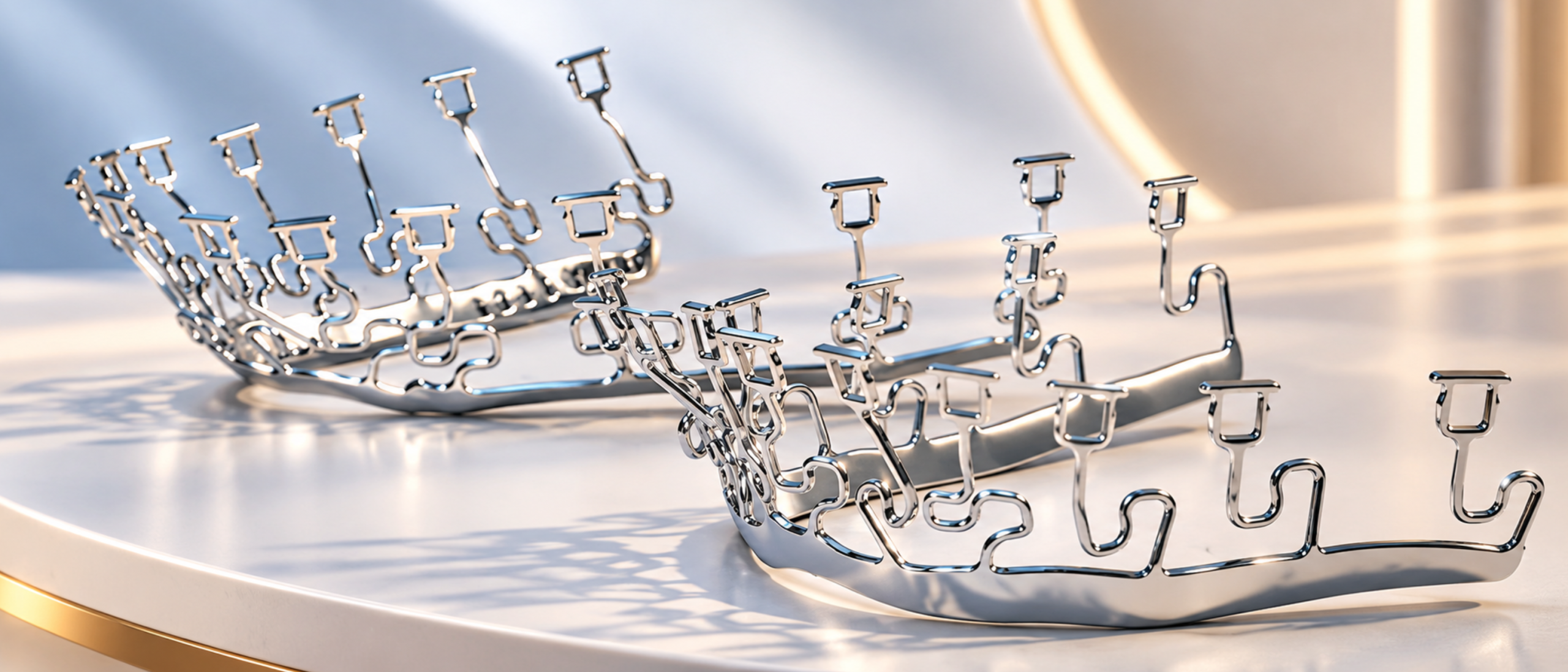
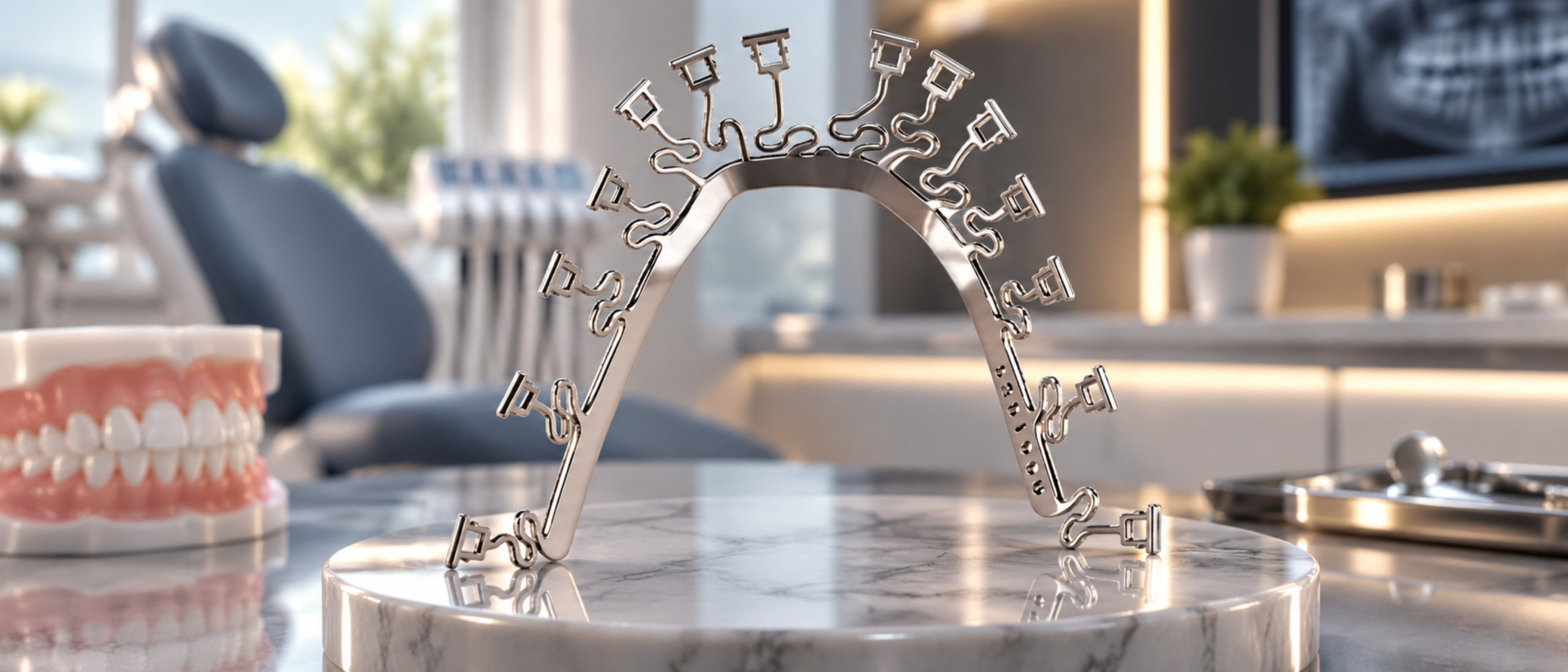
| Lingual/hidden braces, including Brava® | Behind the teeth | Greater tongue interaction makes initial speech adjustment more relevant |
Placement is one of the biggest differences. Research comparing speech across orthodontic appliances has found that speech effects can differ by appliance type, with lingual appliances showing more noticeable effects in some studies.
What Speech Changes Can Happen With Traditional Metal Braces?
Some people notice temporary pronunciation changes with traditional braces, while others notice little or no meaningful difference.
Brackets and wires introduce a new surface to the front of your teeth. Your lips and tongue may initially need to adjust to that change.
That does not mean everyone who gets metal braces develops a lisp. Research on front-mounted fixed braces shows considerable variation: some people notice no speech difference, while others experience temporary changes as their mouth adapts.
Why Appliance Placement Changes the Speaking Adjustment
The main difference is placement.
Traditional brackets are attached to the front surfaces of the teeth. Behind-the-teeth braces sit closer to areas your tongue normally uses while forming words.
Both can require adjustment, but your tongue interacts with them differently. This helps explain why speech changes may be more noticeable with one appliance than another.
What Should You Expect When Speaking With Ceramic Braces?
The adjustment is generally similar to what people experience with traditional metal braces.
Ceramic braces are also generally attached to the front surfaces of the teeth. Although their material and appearance differ from metal brackets, their position in relation to your tongue is similar.
From a speech perspective, where the braces sit matters more than whether a front-mounted bracket is metal or ceramic.
Can Clear Aligners Change Pronunciation at First?
Yes. A temporary pronunciation change or slight lisp can occur while your mouth adapts.
Because aligners fit over the teeth, they change the surfaces your tongue encounters while speaking. Research on clear aligners and speech supports temporary speech effects for some patients, although the experience varies.
Why Clear Aligner Trays Can Temporarily Change Pronunciation
Even though aligner trays are thin, they slightly change the oral space your tongue works within.
Your tongue may initially move differently or adjust how air passes through your mouth when forming certain sounds. As you become familiar with the trays, speaking may begin to feel more natural again.
Why Prescribed Wear Still Matters During the Adjustment Period
Removable doesn’t mean optional.
Aligner treatment depends on following the wear schedule prescribed by your orthodontist. Taking trays out repeatedly simply because speaking feels unfamiliar can reduce that prescribed wear time.
If speaking is important to your work, school, or daily routine, discuss the concern with your orthodontist rather than changing your wear schedule yourself.
What Is the Speaking Adjustment Like With Lingual or Hidden Braces?
Lingual braces, including Brava hidden braces, sit behind the teeth and can affect speech during the adjustment period, including a temporary lisp. Speech tends to improve as the tongue adapts.
This is an important trade-off to understand when considering hidden treatment. The behind-the-teeth position gives the tongue something new to work around, and research comparing lingual and front-mounted braces supports a greater initial speech impact with lingual appliances.
For a deeper explanation of tongue movement, specific sounds, and adaptation, read our guide to speaking with lingual braces
How Long Can Speech Changes Last After Getting Braces?
There is no single adjustment timeline that applies to every person or every orthodontic appliance.
Many speech changes associated with orthodontic treatment are temporary. How quickly they settle depends on factors such as the appliance type and how your mouth responds to the new environment.
Clear-aligner research, for example, has reported relatively short adjustment periods for many patients, while others take longer. The American Association of Orthodontists also notes that speech may temporarily feel different when adjusting to orthodontic appliances.
Are these changes permanent? Speech changes often improve as you adjust, but the timeline varies. If a change feels significant, persistent, or concerning, discuss it with your orthodontist.
Can Orthodontic Treatment Improve Speech in Some Cases?

Sometimes—but orthodontic treatment should not be considered a guaranteed treatment for a speech problem.
So do braces affect speech only for the worse? Not necessarily. Your teeth and bite help shape the space your tongue and airflow use when forming words. Certain tooth positions or bite problems can therefore contribute to articulation difficulties for some people.
The American Association of Orthodontists notes that malocclusions such as spacing, open bites, crowding, underbites, and crossbites can sometimes contribute to speech difficulties.
If tooth or bite position is part of the cause, correcting the underlying orthodontic issue may help. But speech difficulties can have many causes, so not every speech problem will improve through orthodontic treatment alone.
Which Orthodontic Treatment Should You Consider If Speaking Is Important to Your Daily Life?
If speaking is a major part of your day, speech adjustment deserves to be part of your treatment conversation—but it shouldn’t be the only factor in your decision.
Why Speech Should Be One Factor, Not the Only Factor
Speech is only one part of choosing orthodontic treatment.
The decision should also consider the tooth movements you need, fixed versus removable treatment, visibility, comfort, daily management, and your ability to follow treatment instructions.
The right treatment needs to fit both your orthodontic needs and your everyday life.
What If You Want Orthodontic Treatment That Stays Hidden?
If discretion is important to you, behind-the-teeth treatment offers an alternative to visible front brackets.
Brava® Hidden Braces Stay Behind the Teeth
Brava is fixed behind your teeth, keeping the appliance hidden from the front.
For people who prefer less-visible treatment when smiling, speaking, working, or socializing, that can be an important difference.
Brava® Is Fixed, Without a Daily Tray-Wear Routine
Brava stays attached to your teeth throughout treatment.
There are no trays to remove before meals, store during the day, remember to put back in, or manage according to a removable-tray wear schedule.
That does not make fixed treatment right for everyone. It simply creates a different day-to-day treatment experience.
So, Do Braces Affect Speech Enough to Change Which Treatment You Choose?
Speech can influence your decision, but it should be weighed alongside the treatment your teeth need, visibility, comfort, fixed-versus-removable preference, and daily routine.
Front-mounted braces have less direct interaction with the tongue. Clear aligners are removable but can still temporarily affect pronunciation. Lingual braces have greater tongue interaction initially but remain hidden behind the teeth.
Instead of asking which treatment will have absolutely no effect on speech, consider:
Which treatment can achieve the tooth movements I need while fitting the priorities that matter most to me?
Your orthodontist can help you weigh those trade-offs for your individual case.
Frequently Asked Questions
Do Braces Cause a Lisp?
They can temporarily, but not everyone develops one. Some people notice pronunciation changes while their mouth adapts to a new appliance, while others notice little difference.
Do Metal Braces Affect Speech?
Yes. Front-mounted metal braces can temporarily affect speech, but they generally have less direct interaction with the tongue than behind-the-teeth braces.
Do Clear Aligners Affect Speech?
Yes. Clear aligners can temporarily affect pronunciation because the trays change the surfaces your tongue encounters while speaking.
Is the Speaking Adjustment Different With Hidden Braces?
Yes. Lingual or hidden braces generally have a greater initial effect on speech because they sit behind the teeth, where the tongue works during articulation.
How Long Does It Take to Speak Normally With Braces?
It depends on the appliance and the individual. Many orthodontic speech changes are temporary. With Brava, speech may feel or sound different for about a week or two while the tongue adapts.
Can Braces Change Your Voice Permanently?
Braces mainly affect articulation rather than the vocal cords that produce your voice. Temporary pronunciation changes should not be confused with permanently changing your voice.
Can Braces Improve Speech Problems Caused by a Bite Issue?
Sometimes. Orthodontic correction may help when tooth or bite position contributes to an articulation problem, but not every speech difficulty has an orthodontic cause.