

May 25 2026
Starting orthodontic treatment often comes with one big question: how long do braces take?
The answer isn’t one-size-fits-all. Treatment time depends on factors such as the complexity of your case, the type of braces used, and how efficiently your teeth move. While traditional timelines can span years, modern orthodontics is shifting toward better, faster, more precise, and more comfortable treatment experiences.
Today, advanced systems like Brava braces are redefining expectations by focusing on quality of movement over quantity of adjustments, helping patients achieve results more efficiently.
Why Treatment Time Varies
Not all orthodontic cases are the same. The time required depends on:
- Severity of misalignment (malocclusion)
- Type of tooth movement needed
- Age and biological response to treatment
- Chosen orthodontic system
Traditional braces move teeth using wires and periodic tightening, which can take longer due to step-by-step adjustments. In contrast, newer technologies are designed to optimize movement from the start, reducing delays.
Real-World Timelines:
- Minor alignment: 6–12 months
- Standard cases: 18–24 months
- Complex cases: 24–36+ months
On average, most patients fall within the 12–24 month range, but individual timelines vary based on biological response and case complexity.
Typical Braces Timeline: A Quick Comparison
Here’s a simplified look at how long different treatments usually take:
| Treatment Type | Typical Duration | Key Considerations |
|---|---|---|
| Traditional Braces | 18–24 months | Require regular tightening and multiple adjustments |
| Clear Aligners | 6–18 months | Depends on wearing them 20–22 hours daily |
| Brava braces | 6–12 months (many cases) | Fewer appointments, continuous movement |
Why the Difference?
Traditional systems move teeth in phases. Aligners rely on patient consistency. Brava is designed to move teeth simultaneously, helping reduce overall treatment time.
The Difference Between Aligners and Braces
Clear aligners and traditional braces are both effective—but they work very differently.
| Treatment Type | Pros | Cons |
|---|---|---|
| Clear Aligners |
Nearly invisible Removable & flexible Comfortable |
Requires 20–22 hrs/day Not for complex cases Easy to lose |
| Metal Braces |
Handles complex cases No discipline needed Durable |
Visible Food restrictions Harder to clean |
| Hidden Braces (Brava) |
Hidden behind teeth Works for complex cases No daily effort Digitally precise |
Adjustment period Limited availability |
Quick Take:
Aligners = flexible. Braces = powerful. Brava = discreet + efficient.
One example is Brava, which uses digitally programmed tooth movement to improve efficiency while maintaining aesthetics.
How Brava Braces Change the Timeline
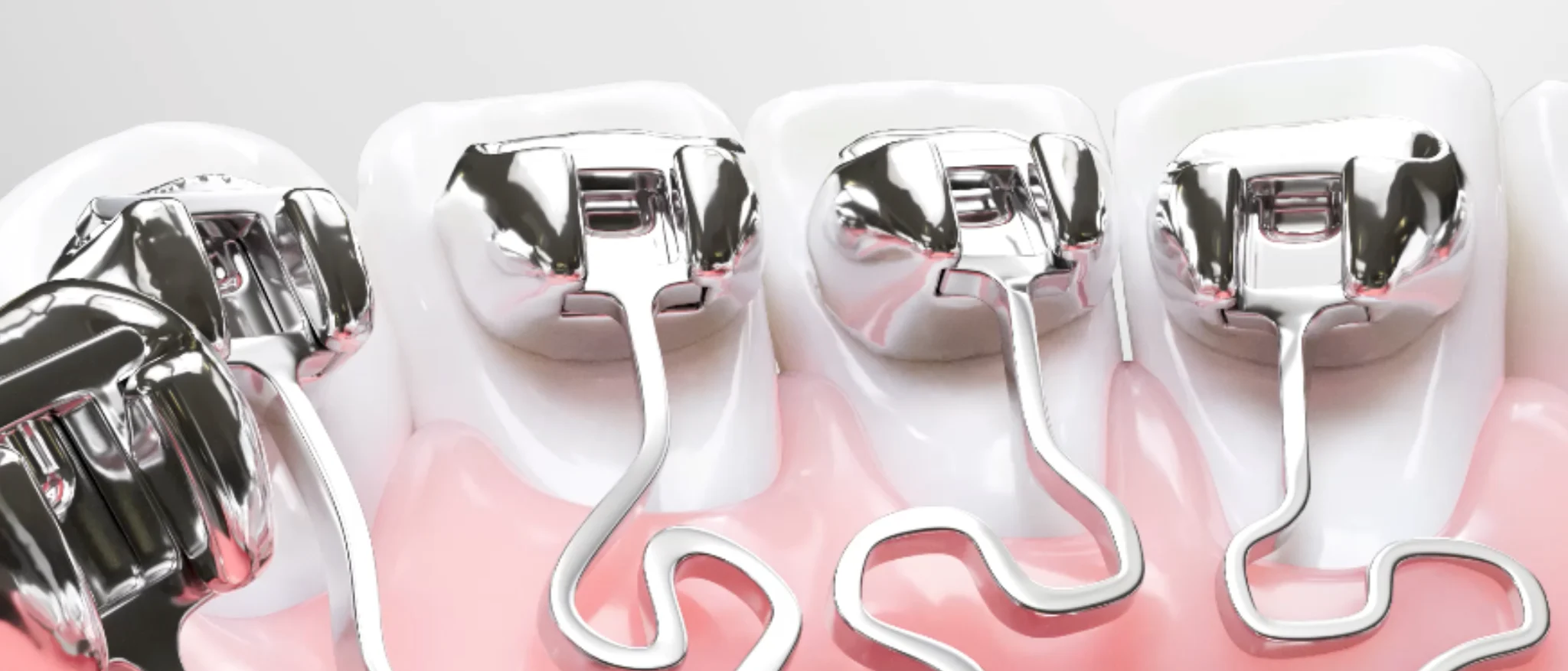
Brava braces introduce a completely different approach to orthodontic treatment.
Developed by Brius Technologies, this system features a patented biomechanical, back-of-the-teeth design that uses Independent Mover® technology to guide each tooth individually.
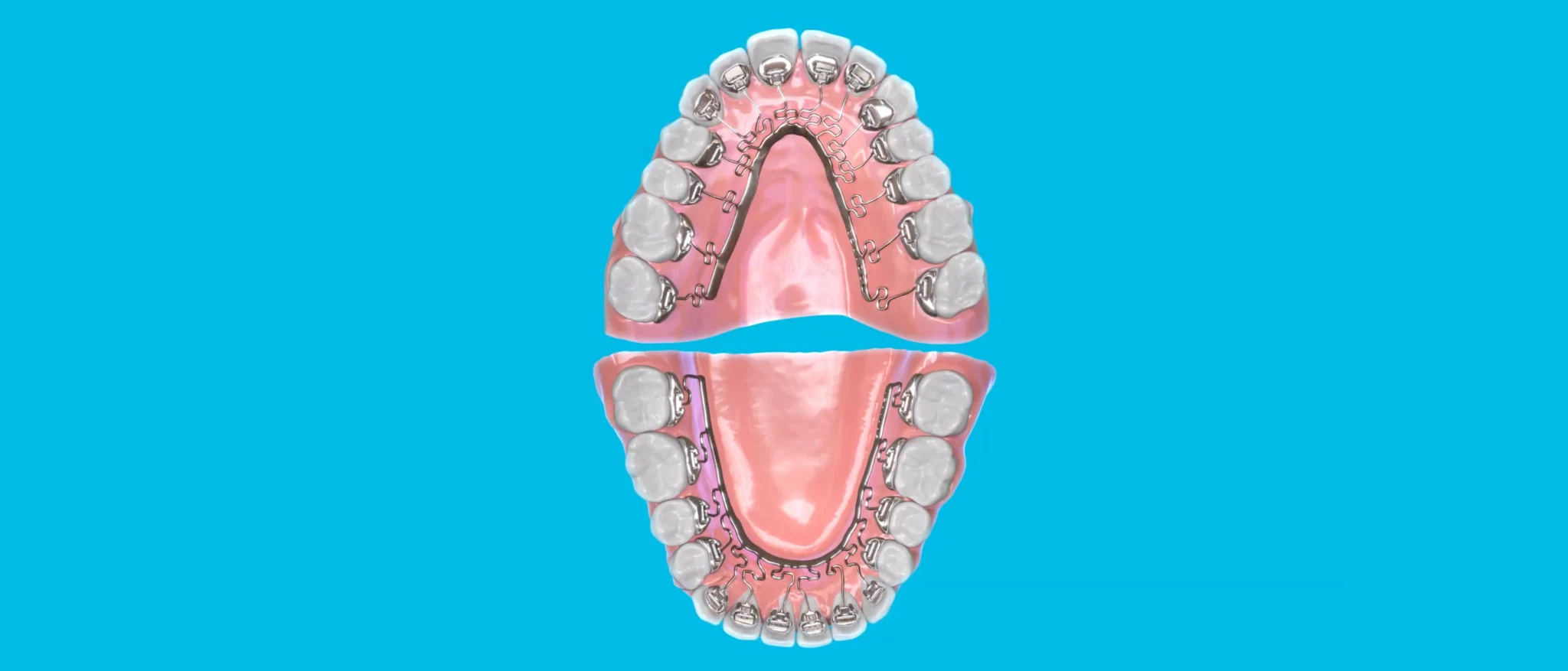
Instead of using wires or removable trays, Brava uses:
- Independent movement for each tooth
- Simultaneous alignment across the entire smile
- A fully pre-programmed treatment plan
In partnership with a certified orthodontist, each patient receives a customized per-tooth plan, embedded into NiTi shape-memory arms—an advanced material originally developed for aerospace applications.
Built for Speed and Precision
Brava’s design directly impacts treatment time:
- Continuous force without manual adjustments
- Movement begins immediately after placement
- Some cases are completed in as little as six months
Unlike traditional braces that rely on wires sliding along brackets, Brava’s Independent Movers work behind the teeth—hidden from view while delivering precise control.
Because everything is programmed in advance, Brava often completes treatment in just one or two stages, compared to the 20–50 stages typically required with aligners.
Fewer Appointments, More Efficiency
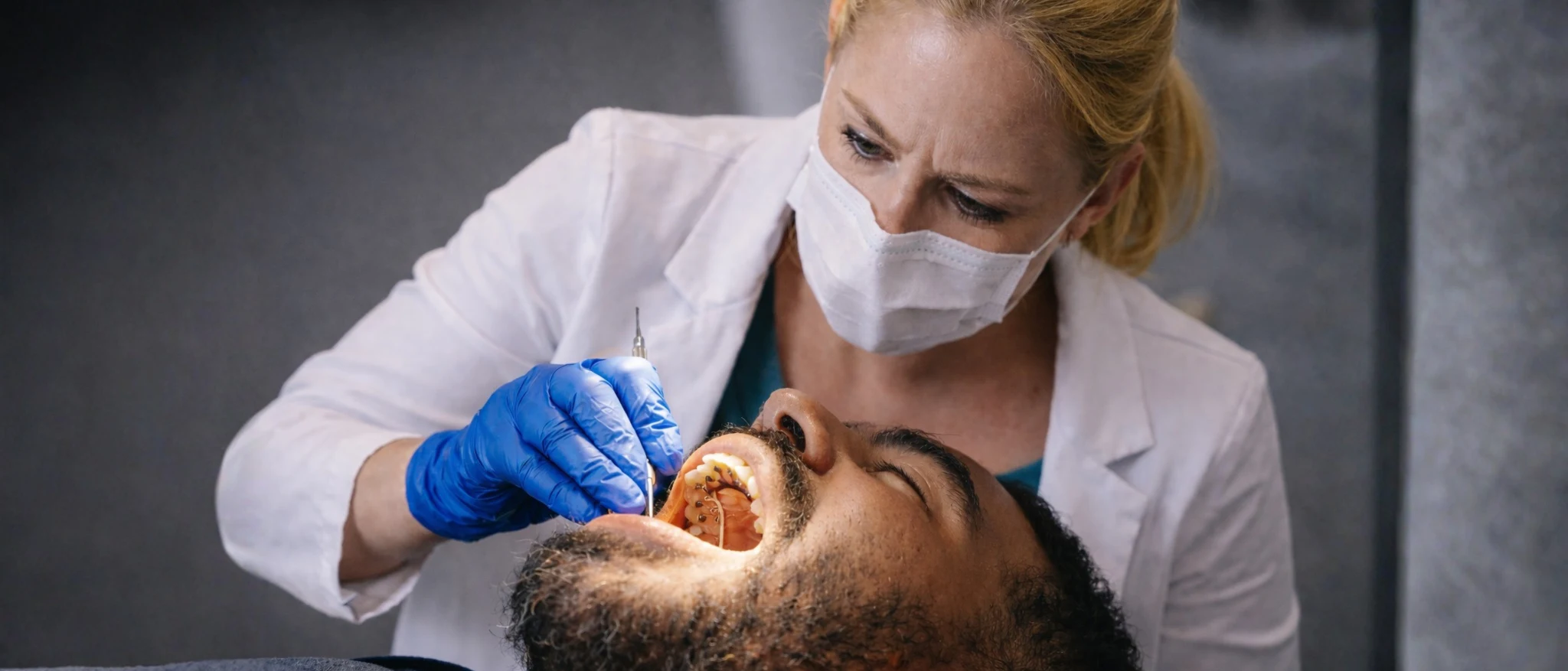
Another factor that affects how long braces take is how often adjustments are needed.
- ITraditional braces: visits every 4–6 weeks
- Aligners: frequent monitoring and tray changes
- Brava braces: typically only 4–6 visits total
Because the system operates continuously, there’s no need for constant tightening or replacements—thereby reducing interruptions and saving time.
The Treatment Process: What It Looks Like
Brava simplifies the orthodontic journey into a few clear steps:
- Digital Scan & Consultation
- Custom Smile Design
- Brava Placement
- Continuous Progress
Once placed, the system works around the clock, with no need to remember to put anything on or take anything off.
What Impacts Your Braces Timeline (And How to Stay on Track)
Modern orthodontic treatment is not just about how long it takes—but how smoothly it fits into your daily life and how consistently the process is followed.
Technology and Treatment Approach
Advancements like pre-programmed tooth movement allow for more efficient, precise alignment from the start. Systems designed for continuous force reduce delays caused by manual adjustments.
Comfort and Daily Experience
Traditional braces can cause cycles of discomfort due to tightening, while aligners create pressure with each new stage. In contrast, lighter, continuous force systems are designed to provide a more consistent and manageable experience, with minimal irritation and no wires interfering with daily activities.
Lifestyle and Convenience
Treatment can also impact your routine. Systems that eliminate removable trays reduce the risk of misplacement and remove the need for constant tracking. Easier oral care and minimal disruption make it simpler to stay consistent throughout the process.
Patient Consistency
Your habits directly affect treatment time:
- Keeping appointments
- Maintaining oral hygiene
- Following instructions
- Avoiding damage to appliances
Consistency is often the biggest factor in staying on schedule, while missed steps can delay progress by several months.
What Factors Affect Your Personal Timeline?
Severity of Teeth Misalignment
Mild cases may take 6–12 months, moderate cases 12–18 months, and severe cases 24–36 months.
Bite Correction Complexity
- Overbite: +2–6 months
- Underbite: +6–12 months
- Crossbite: +3–9 months
These cases involve more complex adjustments beyond straightening teeth.
Age and Biological Response
- Children: faster movement
- Teens: average response
- Adults: may take longer due to denser bone
Patient Compliance
Missed appointments, poor hygiene, or inconsistent habits can delay progress by several months.
So, How Long Do Braces Really Take?
The honest answer:
It depends, but it’s faster than it used to be.
Traditional braces may take up to two years. Aligners can shorten timelines—but only with strict compliance.
Advanced systems like Brava braces are changing expectations by focusing on:
- Simultaneous tooth movement
- Fewer treatment stages
- Reduced appointments
- Continuous, precise force
The result is a treatment experience that prioritizes efficiency, comfort, and control.
A Smarter Approach to Treatment Time
Orthodontic care is no longer just about straightening teeth—it’s about how that transformation happens.
With innovations like Brava braces, treatment is becoming:
- More predictable
- Less disruptive
- More comfortable
- And in many cases, significantly faster
For patients and parents alike, that means less time worrying about the process—and more confidence in the outcome.
Frequently Asked Questions
How Long Do Braces Usually Take?
Most orthodontic treatments range from 6 months to 36 months, depending on the complexity of misalignment, bite issues, age, and the type of braces used. Modern systems like Brava often significantly reduce timelines.
What Factors Affect Braces Treatment Time?
Treatment duration depends on severity of misalignment, bite complexity, age, biological response, and patient compliance. Each factor can add weeks or months to the process.
How Do Brava Braces Differ From Traditional Braces?
Brava braces use Independent Mover® technology to move teeth simultaneously, hidden behind the teeth, requiring fewer appointments and providing continuous, precise force compared to traditional step-by-step adjustments.
Can Adults Get Braces As Quickly As Teens?
Adults may take 20–25% longer than teenagers because their jawbones are fully developed and denser. However, systems like Brava help minimize the gap by optimizing tooth movement.
How Many Appointments Are Required With Brava braces?
Most Brava treatments require only 4–6 appointments total, compared to 12+ visits for traditional braces or 8–12 for clear aligners, saving time and reducing interruptions.
Do Braces Cause Pain Or Discomfort?
Some pressure or soreness is normal. Brava braces apply light, continuous force for more consistent comfort, unlike traditional braces that tighten periodically, causing peaks of discomfort.
Can I Speed Up My Braces Treatment?
Yes—by following orthodontist’s instructions, maintaining excellent oral hygiene, keeping all appointments, and avoiding foods that damage braces. Consistency is key to staying on schedule.
What Is The Difference Between Aligners And Braces?
Aligners are removable, nearly invisible, and flexible, but rely on strict wear compliance. Traditional braces are visible but handle complex cases. Brava combines discreet, hidden design with efficient, precise movement.
How Often Should I Visit My Orthodontist During Treatment?
Visits vary by system: traditional braces every 4–6 weeks, aligners monitored more frequently, and Brava braces typically 4–6 visits due to continuous, pre-programmed tooth movement.
Will Braces Affect My Daily Lifestyle Or Routine?
Modern braces, especially Brava, are lifestyle-friendly and require minimal adjustment to daily routines. Oral care is easier, appliances are hidden, and there’s no need to track removable trays.