
Aug 17 2026
Maybe you’ve always had a gap and are finally thinking about closing it. Maybe you’re wondering whether the space between your child’s front teeth will disappear on its own. Or perhaps your gap is new—and that’s what has you concerned.
So, how do you close a gap in teeth?
It depends on why the space is there. Sometimes teeth need to move. Sometimes changing tooth shape can reduce the space. A missing tooth may require a completely different plan. And some gaps don’t need treatment at all.
Before deciding how to close the gap, find out what created it.
Does Every Gap Between Teeth Need to Be Closed?
No. A gap doesn’t automatically need fixing.
If your teeth and gums are healthy, your bite works well, the space isn’t changing, and you’re comfortable with your smile, treatment may not be necessary.
When a Tooth Gap May Be a Natural Variation
Some people naturally have spaces between their teeth. Gaps are also common while children’s permanent teeth are developing.
Research on maxillary midline diastema indicates that some physiological childhood gaps can close spontaneously as permanent teeth continue to erupt.
So if you’re looking at your child’s front-tooth gap and thinking, Do we need braces already?—not necessarily.
An orthodontic evaluation can determine whether the space should simply be monitored.
When a New or Widening Gap Should Be Checked
A gap you’ve always had is one thing. A gap that wasn’t there before is another.
If previously stable adult teeth begin moving apart, get it checked. Changes in gum and bone support can contribute to tooth movement. Cleveland Clinic notes that periodontitis can damage the supporting bone and contribute to gaps and loose teeth.
Covering the space without understanding the cause could miss the actual problem.
How to Close Gap in Teeth: What Are Your Treatment Options?
A gap can disappear in several ways—and those treatments don’t all do the same thing.
The main options differ in one important way: some change or fill the visible space, while others physically move teeth.
| Treatment | How It Addresses the Gap |
| Dental bonding | Adds tooth-colored material to alter tooth width or shape |
| Veneers | Changes the visible proportions and appearance of teeth |
| Braces | Moves teeth and their roots into planned positions |
| Clear aligners | Moves teeth using a sequence of removable trays |
| Tooth replacement | Replaces a missing tooth within the available space |
Dental Bonding — Filling Smaller Spaces by Changing Tooth Shape
Bonding adds to the tooth rather than moving it.
Tooth-colored composite material can make one or both teeth slightly wider, reducing a smaller visible space when tooth size or shape is the issue.
Veneers — Changing Tooth Shape and Appearance
Veneers are thin coverings placed over the front surfaces of teeth. They can alter width, shape, color, and proportion.
Like bonding, veneers change how the teeth look. They don’t orthodontically reposition the teeth or roots.
Braces — Moving Teeth to Physically Close the Gap
When tooth position creates the gap, braces can apply controlled orthodontic forces to physically reposition teeth and their roots.
But closing one gap isn’t always as simple as moving the two neighboring teeth together. The surrounding teeth, roots, available space, and bite also matter.
Clear Aligners — Closing Selected Gaps With Removable Treatment
Clear aligners can move teeth using a planned series of removable trays.
Because they’re removable, you need to wear them according to the prescribed schedule. Whether they’re suitable depends on the movements required—not simply how wide the gap looks.
When Missing Teeth or Other Dental Problems Need a Different Approach
Sometimes the gap isn’t really the problem. The missing tooth is.
An orthodontist may decide to close that space or reposition surrounding teeth to preserve room for a replacement.
If gum disease or another active dental problem is contributing to spacing, that issue may need attention first.
Should You Fill the Gap or Actually Move the Teeth?
Here’s the key distinction:
Restorative treatment changes the dimensions of the tooth. Orthodontic treatment changes where the tooth is positioned.
If two naturally narrow teeth already sit in good positions, adding width may make sense. If normally proportioned teeth sit too far apart, making them wider just to hide the gap may not address the real issue.
Similar-looking gap. Completely different problem.
Need to Move the Teeth, Not Just Hide the Gap?
Which Way to Close a Tooth Gap Is Right for You?
Start with the cause, not the size of the gap.
When Tooth Position Is Creating the Gap
If teeth are tipped, rotated, have drifted apart, or sit too far from each other, orthodontic movement may be more relevant than adding material to widen them.
When Tooth Size or Shape Creates the Space
If the teeth are already positioned appropriately but are naturally small or differently shaped, bonding or veneers may sometimes provide the additional width needed.
When a Missing Tooth Creates the Gap
A missing tooth turns gap closure into a space-management decision.
The goal may be to close the space or preserve and redistribute enough room for a future replacement. Your bite, surrounding teeth, and long-term plan determine which approach makes sense.
When Gum Health or Another Underlying Issue Needs Attention First
If gum disease is contributing to tooth movement, treating the underlying condition comes first.
A prominent upper labial frenum can also be associated with certain midline gaps, but it shouldn’t automatically be blamed. A systematic review of the labial frenum and midline diastema emphasizes considering other causes before intervention.
The gap is what you see. The diagnosis explains why it’s there.
What Actually Happens When Braces Close a Gap?
See a space between two front teeth and the solution seems obvious: move those two teeth together.
Orthodontic gap closure can be more complex than that.
Do Braces Simply Move the Two Teeth Beside the Gap Together?
Not necessarily.
Moving only those two teeth could close the original gap while leaving unwanted space elsewhere. That’s why orthodontists plan where the teeth should ultimately finish—not simply where one visible space should disappear.
Why Other Teeth May Need to Move Too
One tooth may need to move sideways. Another may need rotation. A root may need repositioning. Space may need to be redistributed so the final alignment and bite work together.
That’s why a small gap doesn’t automatically mean a simple treatment plan.
How Does Brava® Approach Gap Closure Differently?
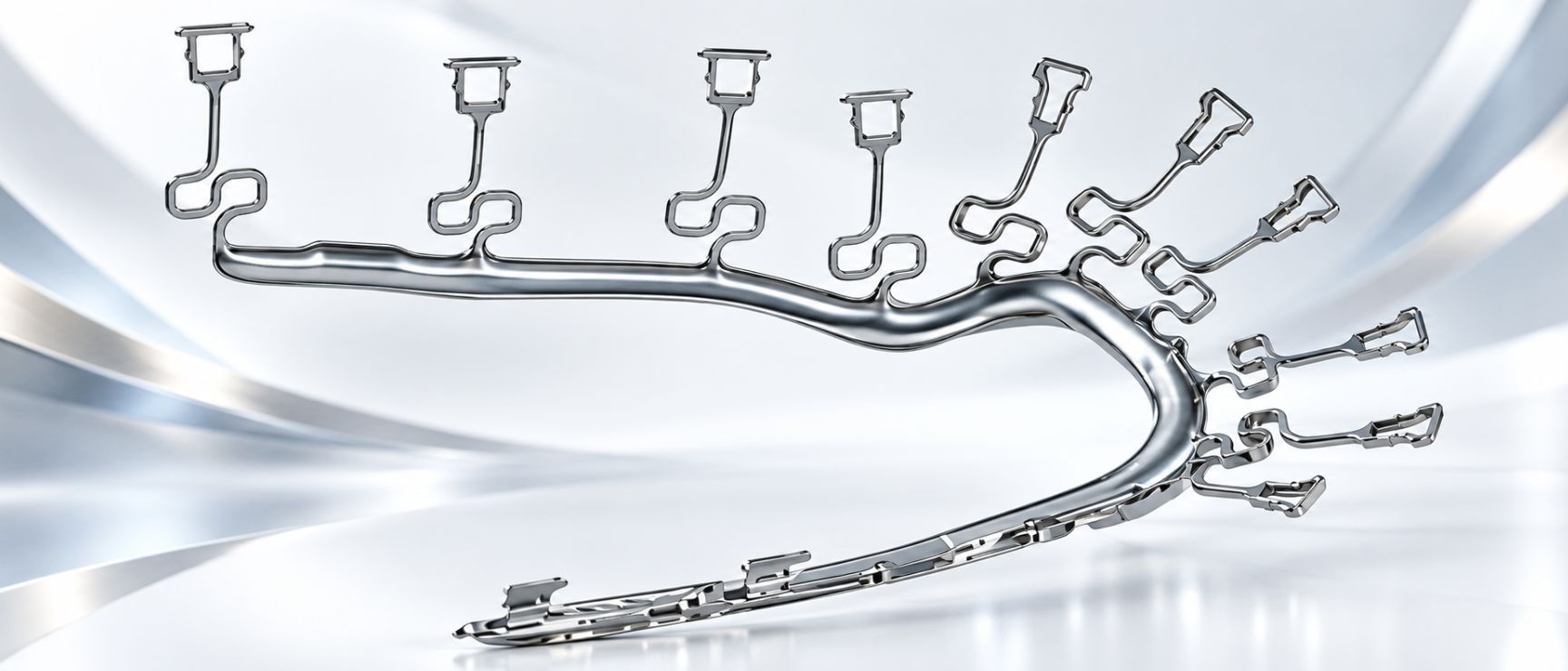
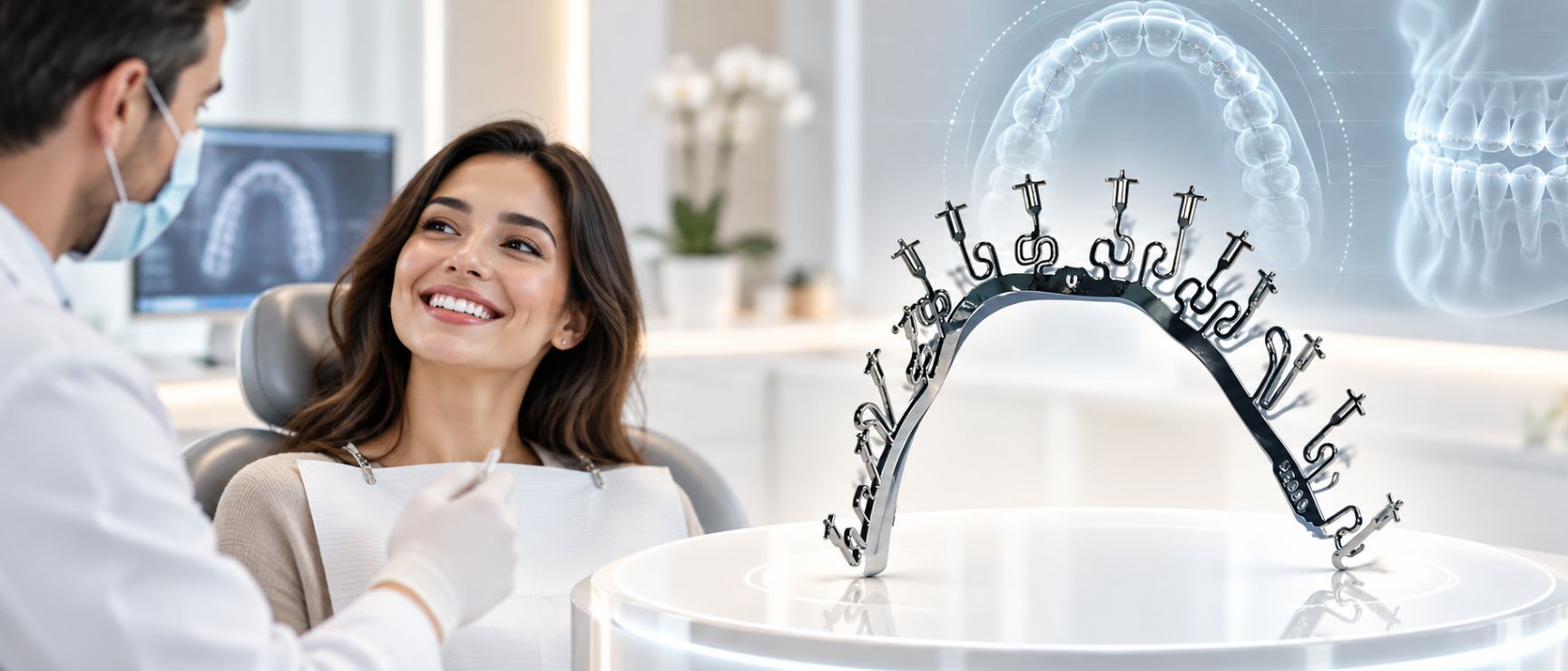
When orthodontic movement is needed, Brava® Hidden Braces takes a tooth-by-tooth approach.
Instead of focusing only on making the visible space disappear, your provider plans where individual teeth should finish. Brava is customized to carry out those prescribed movements.
Independent Movers® for Individual Tooth Movement
Brava’s patented Independent Movers® are the mechanism that makes individual tooth movement possible.
Each tooth connects to the system independently, allowing its prescribed movement to be controlled separately. That’s useful when one tooth needs sideways movement while another needs rotation or root correction.
This section is about the technology: individual teeth don’t all have to perform the same movement.
Digitally Planning Where Each Tooth Needs to Move
Before those movements begin, the destination needs to be defined.
Using a digital scan and personalized treatment design, your provider maps the movements needed to reach those positions.
So the question isn’t simply, How do we close this gap?
It’s where does each tooth need to end up?
Planning Individual Teeth to Move Independently and Simultaneously
Once the destination and individual movements are planned, Brava is designed to let prescribed movements occur independently and simultaneously.
One tooth can work toward one planned position while another performs a different prescribed movement.
For gap closure, this means multiple parts of the space-management plan can progress together rather than treating the visible opening in isolation.
Hidden Behind the Teeth, Without Removable Trays
The technology is hidden. The daily routine is simpler, too.
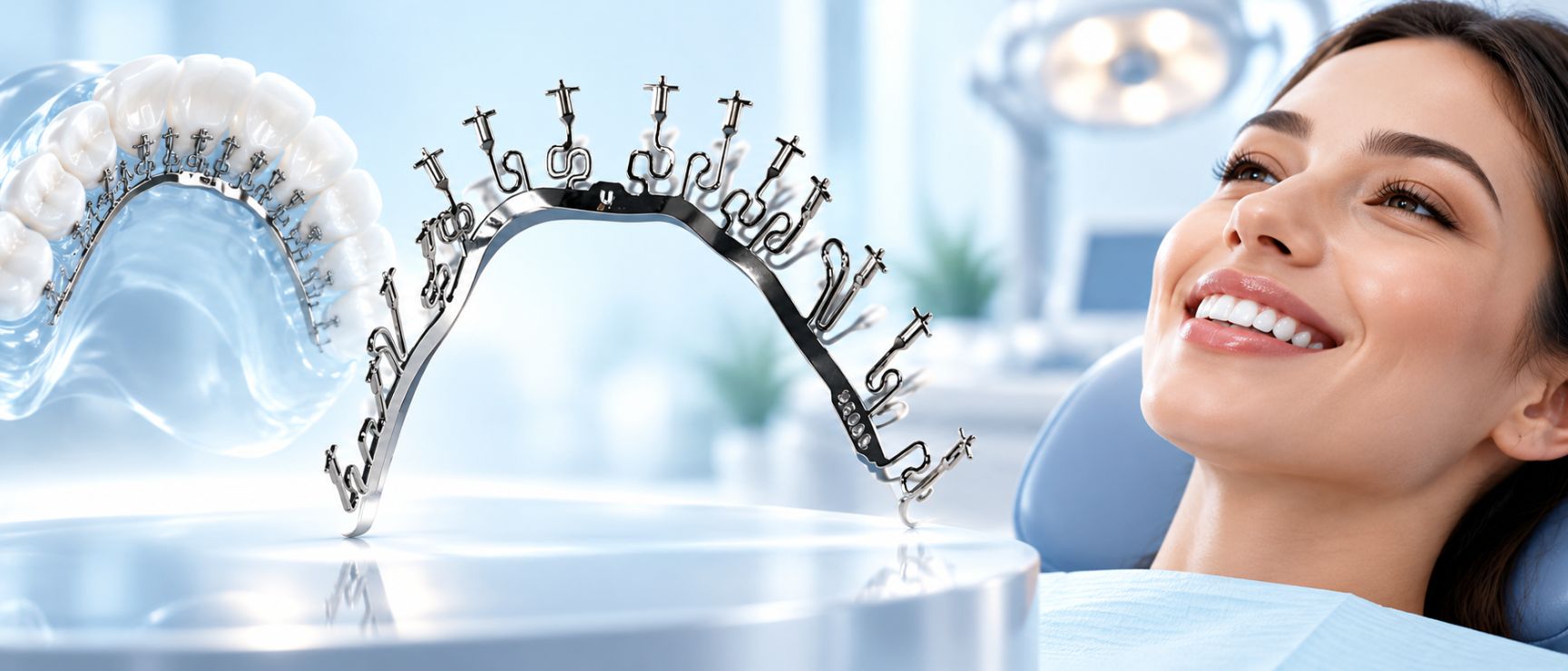
Brava stays fixed behind the teeth, so it isn’t visible from the front. There are no trays to remove before meals, carry around, or remember to reinsert afterward.
For an adult managing work, meals, and travel—or a parent wondering whether their teen will consistently manage removable trays—Brava can remove one daily treatment task.
Brava is also designed with patient comfort in mind. As with orthodontic treatment generally, an adjustment period and temporary discomfort can still occur.
Ready to Explore the Technology Behind the Smile?
Why Can a Gap Reopen After Treatment?
Because closing a gap and keeping it closed are different goals.
Teeth remain capable of movement after active orthodontic treatment.
Closing the Space and Keeping It Closed Are Different Goals
During treatment, teeth move into their planned positions. After treatment, maintaining those positions becomes the priority.
In one long-term study of 30 patients following orthodontic closure of maxillary interincisor diastemas, midline relapse occurred in 60% of the study sample.
That does not mean everyone has a 60% chance of their gap reopening. It was a small, specific study. But it demonstrates why stability after gap closure deserves attention.
Why Retention Matters After Orthodontic Gap Closure
A retainer helps maintain corrected tooth positions after active orthodontic movement.
The appropriate type and wear schedule depend on the individual case, so retention should be part of the treatment plan—not an afterthought once the gap disappears.
Take the Next Step Toward Closing Your Tooth Gap
Your gap might need bonding. It might need orthodontic movement. Or it might need another approach entirely.
You shouldn’t have to guess.
If orthodontic movement is appropriate, a Brava provider can determine whether Brava® Hidden Braces and its tooth-by-tooth approach are right for your treatment needs.
Frequently Asked Questions
How to Close Gap in Teeth Without Visible Braces?
Options depend on the cause. Bonding or veneers can change tooth shape, clear aligners can move suitable teeth using removable trays, and Brava® Hidden Braces provide fixed orthodontic treatment from behind the teeth.
Can Braces Completely Close Gaps Between Teeth?
Braces can completely close many gaps when full closure is the appropriate goal. With missing teeth or tooth-size differences, however, some space may intentionally be preserved or redistributed.
How Long Does It Take to Close a Gap in Teeth?
There isn’t one timeline based on gap width alone. Treatment time depends on the movements required, root positions, bite, gum health, treatment method, and individual response.
Can a Gap Between Teeth Close Naturally?
Yes, some childhood gaps can close naturally as permanent teeth continue to erupt. Persistent gaps between permanent adult teeth are less likely to disappear spontaneously.
Can a Tooth Gap Come Back After Treatment?
Yes. A gap can reopen after orthodontic treatment. Teeth remain capable of movement, which is why following your orthodontist’s prescribed retention plan is important.