

July 6 2026
You catch it in a photo, or in the mirror after brushing, a gap where there wasn’t one, a tooth that’s turned slightly, crowding you were sure you’d already paid to fix. The first reaction is usually disbelief. The second is frustration: didn’t I already do this? Here’s what nobody tells you upfront, this happens to more people than you’d think, and getting back to straight is almost always faster, and often simpler than it was the first time around.
Why Your Teeth Shifted Back, And Why It’s More Common Than You Think
The Most Common Reason, And Why It Happens to Most People:
Teeth have a natural tendency to drift back toward their original positions after treatment ends. Retainers exist specifically to counter this, and inconsistent or discontinued retainer wear is widely considered a leading reason results don’t last.
Natural Aging and How Your Jaw Changes Over Time:
Jaws and bite patterns continue to change slowly throughout adulthood, independent of anything you did or didn’t do. Mild shifting later in life is normal, not a sign you did something wrong.
Other Causes, Wisdom Teeth, Gum Changes, Pregnancy, and Bite Pressure:
Erupting wisdom teeth may contribute to crowding. Gum and bone changes over time can affect the support holding teeth in place. Pregnancy hormones are sometimes associated with temporary changes in the ligaments around teeth. Grinding or clenching, often happening overnight without you realizing it, can apply steady pressure that gradually shifts teeth out of position.
When Shifting Teeth Are a Sign of Something That Needs Attention First:
Sometimes movement is a symptom, not just cosmetic drift, active gum disease or a grinding habit can keep undoing any new treatment until it’s addressed. If either applies to you, that’s a conversation for a dentist before an orthodontist.
How Much Have Your Teeth Actually Moved? Assessing Your Situation
Mild Drift:
A small rotation or the faintest gap returning, the kind of change only you notice, usually caught early, often the easiest and fastest to correct, typically with just a retainer or aligners.
Moderate Shift:
Visible crowding or a gap that’s clearly reopened, noticeable to others, not just in close-up photos, often addressed with a moderate-to-complex fixed system like Brava, though your provider can confirm what’s appropriate for your case.
Significant Relapse:
Your bite feels different, not just your smile, a sign the movement has gone beyond the cosmetic and into function, worth assessing sooner rather than later with a provider who can determine whether a fixed system like Brava or traditional braces is the right path.
Whatever the severity, it’s worth considering more than just appearance. Shifted or crowded teeth are simply harder to keep clean, new tight spots trap plaque more easily, which over time raises the risk of decay and gum disease. That’s a health reason to address it, not just a cosmetic one.
What to Do Right Now, Before You Choose a Treatment
Check Your Retainer, What It Tells You About Where You Stand:
Try it on first, before anything else. If it still fits, movement has been minimal. If it doesn’t sit right or feels tight, that tells you roughly how much has changed since you last wore it.
If You Have Signs of Gum Disease or Grinding, See a Dentist First:
Bleeding gums, visible wear on teeth, or morning jaw soreness are worth addressing before starting any new treatment, otherwise, the same forces may undo it again.
Book a Consultation, One Appointment Changes Everything:
A provider can assess exactly how much has moved and which options are realistic for your specific case, rather than guessing from what you see in the mirror each morning.
Your Options for Getting Your Teeth Straight Again
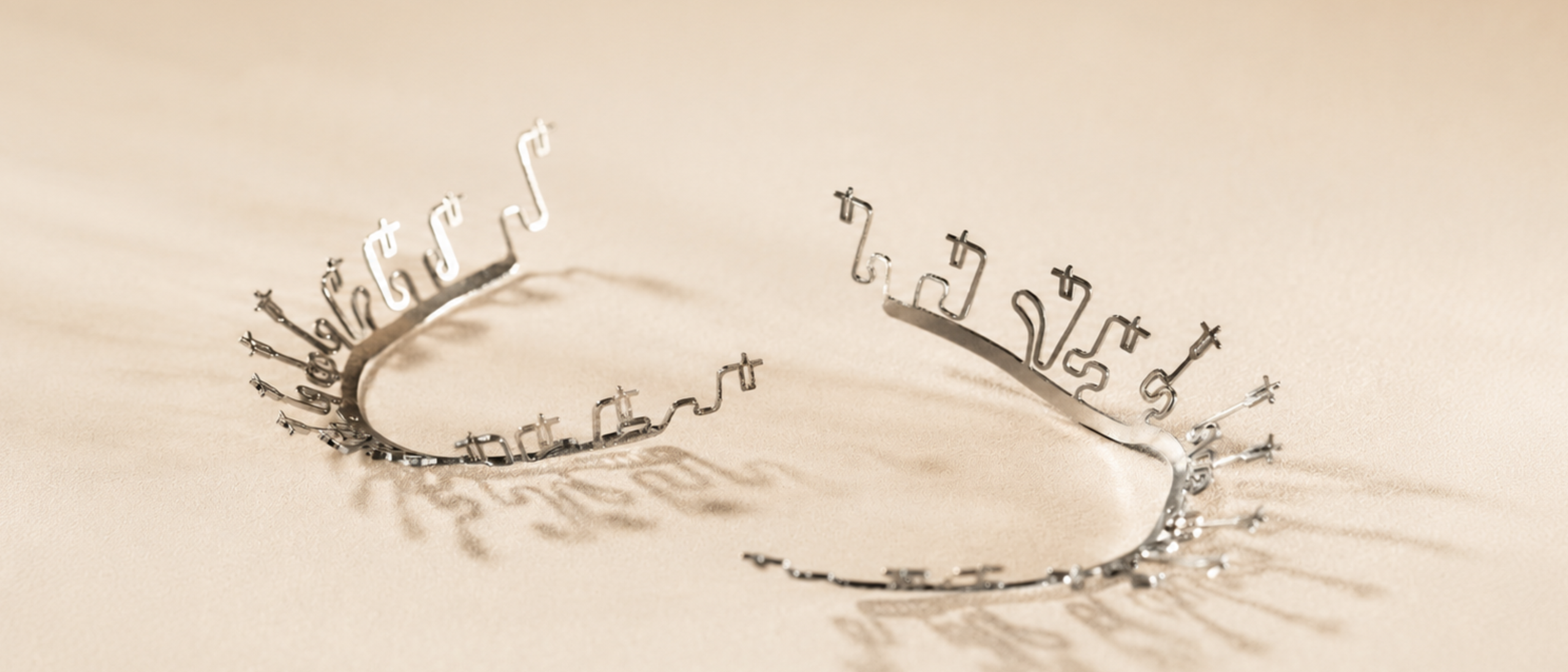
A New Retainer- For Very Minor Movement Only:
If drift is genuinely mild, a fresh retainer alone may guide teeth back into place, often starting with full-time wear before transitioning to nights only. Timelines vary, but this approach typically spans a few months. This only works within a narrow window before more active treatment is needed.
Clear Aligners- Can You Genuinely Commit the Second Time Around?
Aligners work best when relapse is slight, a small rotation or a gap just starting to reopen. They still ask for the same 20–22 hours of daily wear, which can be a challenge to sustain consistently.
Hidden Braces- The Retreatment Option Most People Don’t Know About:
Brava is built for moderate-to-complex relapse, larger shifts, rotations, or cases involving more than one tooth, removing the need to track daily wear for a second round. Worth knowing upfront: because Brava is designed for this heavier lifting, it’s typically not recommended for very minor movement; that narrow window is better served by a retainer or aligners instead. Patients still maintain normal daily hygiene during treatment.
Traditional Braces- For Significant or Complex Cases:
Traditional braces remain a well-established option for complex correction, including cases where the bite itself has shifted, at the cost of visibility and a longer adjustment schedule.
Cosmetic Reshaping- For Minor Aesthetic Concerns Only:
For very small cosmetic flaws, veneers or dental bonding can create the appearance of straightness in just a few visits. Worth knowing upfront: this doesn’t move teeth or correct an underlying bite, it changes appearance only, not alignment.
How Brava Hidden Braces Change What Retreatment Looks Like
Invisible, No One Needs to Know You’re in Treatment Again:
Bonded entirely behind the teeth, Brava stays hidden from the front, no one needs to know this is round two.
A System That Doesn’t Depend on Daily Habits:
Nothing to wear or reinsert this time, removing the need to track daily wear, which can be one less variable to manage the second time around. Patients still maintain normal daily hygiene during treatment.
The Only Treatment That Moves Teeth in All Directions at Once:
Brava’s Independent Mover™ technology programs each tooth to move independently and simultaneously from day one, rather than relying on a shared archwire or tray.
How to Make Sure It Stays Straight This Time
The One Thing That Makes the Difference This Time:
Consistent retainer wear, without exception, is the single biggest factor separating lasting results from relapse.
How to Choose Differently This Time:
If compliance was the issue with your original treatment, choosing a fixed system removes the need to track daily wear during treatment. Consistent retainer wear afterward is still what determines whether results last.
What to Ask at Your Consultation Before Deciding

Questions About Your Specific Situation:
How much have my teeth actually moved? Is this cosmetic drift, or has my bite changed too?
Questions About the Treatment Experience:
How many visits should I expect this time? What specifically made the first result relapse?
Questions About Brava Specifically:
Is retreatment with a fixed hidden system realistic for my case? How does this compare to just getting a new retainer?
Take the Next Step
A shifted smile isn’t a failure, it’s just information about what your teeth need this time around. A Brava provider can assess exactly where you stand and help you choose a path that actually holds.
Final Thoughts
Relapse is common, rarely anyone’s fault alone, and almost always fixable, often faster than the original treatment took. The real question isn’t whether your teeth can be straightened again. It’s what you’ll choose to do differently this time so it lasts.
Frequently Asked Questions
Can I Straighten My Teeth Again Without Getting Braces?
Sometimes. If drift is genuinely mild and caught early, a new retainer alone may be enough. For minor cosmetic concerns only, veneers or bonding can change the appearance of straightness without moving teeth. Beyond that, some form of active treatment is typically needed.
Will Wearing My Old Retainer Fix My Shifted Teeth?
Rarely, once movement is more than minimal. Old retainers are shaped to your original position, not your current one, trying to force it back into place isn’t the same as new treatment.
Is Invisible Treatment Possible for Teeth That Have Shifted Back?
Yes, clear aligners suit slight, early-stage shifting, while Brava handles moderate to complex relapse invisibly, without requiring daily wear tracking the way aligners do.
How Much Does It Cost to Get Teeth Straight Again?
Cost depends on how much has shifted and which treatment fits your case, often less than the original treatment, since retreatment cases are frequently less involved. Your provider can walk through what applies to you.
Can Adults Get Their Teeth Straightened Again at Any Age?
Yes, there’s no upper age limit for retreatment. Your provider can advise on what to expect for your specific case.
How Do I Find a Brava® Provider Who Specialises in Retreatment?
Reach out to find a certified Brava provider near you, they can assess whether your specific relapse is a good fit for retreatment with a fixed hidden system. Find a Brava Provider →