

July 13 2026
Most people searching for this have a specific concern, teeth they’ve wanted to fix for years, a smile they’ve been covering in photos, or a bite issue they’ve been told needs attention. They’re not looking for a sales pitch. They want to see real results, understand realistic timelines, and know what the journey actually looks like from start to finish.
That’s exactly what this guide covers, condition by condition, type by type, so you know what you’re actually choosing.
What Invisible Braces Can Fix, And What Changes After Treatment
“Invisible braces” isn’t one product. It covers three distinct types, clear aligners, ceramic braces, and hidden braces, each working differently and delivering a different experience throughout the journey. Understanding which type delivers which result is what makes the rest of this guide useful.
| Type | Visibility | Removable? | Best For | Daily Effort |
|---|---|---|---|---|
| Clear Aligners | Nearly invisible from the front | Yes | Mild–moderate cases | High, 20–22 hrs daily |
| Ceramic Braces | Visible at close range | No | Moderate to complex cases, per case evaluation | None |
| Hidden Braces (e.g. Brava) | Invisible | No | Mild to complex cases, per case evaluation | None, works 24/7 |
Before any movement starts, every type follows the same first step: a consultation with X-rays and a 3D digital scan. Many providers can generate a virtual preview from this scan, giving you a realistic sense of the finished result before committing to treatment.
Across all three types, the starting point, the “before,” typically falls into one of five conditions. Here is what each one looks like before treatment, what it feels like to live with it, and what actually changes after.
Crowding
- Before: Teeth overlapping, rotated, or pushed out of line due to insufficient space along the jaw
- The daily reality: Years of knowing exactly which angle to avoid in photos, or keeping lips pressed together when smiling
- After: Dental arch widened or molars repositioned to create space. Teeth rotate back into alignment, smile looks even and open
- The shift: For many patients, the bigger change is that they stop thinking about their smile altogether
Spacing and Gaps
- Before: Visible gaps between teeth, often between the front two, that draw the eye and affect confidence
- The daily reality: Food traps constantly, gum tissue sits exposed and self-consciousness every time you open your mouth
- After: Teeth drawn together symmetrically across the arch. Gaps close, smile looks complete
- The shift: Gum tissue protected, smile feels and looks whole for the first time
Overbite
- Before: Upper teeth projecting too far over lower teeth, causing uneven enamel wear and jaw strain
- The daily reality: A persistent background tension in the jaw that many patients only notice once it’s gone
- After: Upper teeth guided back, lower teeth guided forward. Bite balances, jaw pressure relieves
- The shift: The profile of the smile, and often the face, looks noticeably more harmonious
Crossbite
- Before: Upper and lower teeth meeting at the wrong angle, causing chipping and slight jaw asymmetry over time
- The daily reality: Patients often don’t realize how much this affects their bite until it’s corrected
- After: Upper and lower arches realigned so teeth fit together correctly
- The shift: Chipping risk reduced, jaw symmetry improved
Open Bite
- Before: Upper and lower front teeth don’t meet when the mouth closes, affecting chewing and speech
- The daily reality: Biting into food requires working around the gap; speech is subtly affected in ways patients rarely connect to their bite
- After: Teeth drawn together to close the vertical gap. Chewing becomes easier, and speech often clears
- The shift: The smile closes naturally, often for the first time the patient can remember
Insights: Brava’s own recorded outcomes show most cases completed in approximately 6–12 months. Individual timelines vary by case complexity.
How dramatic the result is and how long it takes depend on which system delivers it and whether that journey is visible or entirely out of sight.
What Makes Hidden Braces Different, And Where Brava Comes In

With hidden braces, the “during” stays largely out of sight, a before, and then an after, without a visible appliance in between.
The Brava experience has three moments that matter. The first is the bonding appointment, which takes about one hour, and then it is done. The second is every day after that, treatment happening continuously behind the teeth, 24 hours a day. No removing. No reinserting. No wear time to track. Normal daily hygiene still applies, and most people around you won’t notice anything different. The third moment is when the result arrives, and the people around you notice something has changed, but they can’t quite place what.
That is what makes this a fundamentally different before-and-after story. The transformation happened. Nobody saw it coming.
Louna (17): “When I tell my friends I have braces, they are surprised because they can’t see them.”
Within the hidden braces category, Brava Hidden Braces represents the most advanced approach available. Traditional lingual braces use archwires to move teeth as a connected group. Brava uses patented Independent Mover™ technology, each tooth is individually programmed to move independently and simultaneously from day one of treatment.
Every movement is digitally and precisely mapped before a single bracket is placed. The result is treatment that is as controlled as it is discreet.
In practice, Brava:
- Placed entirely behind the teeth, hidden from view
- Works continuously, 24 hours a day, from the moment of placement
- No monthly tightenings, ever
- No replacement trays, and no daily wear to track (normal hygiene still applies)
- Completed in 1–2 stages, without the many sequential trays aligner treatment often requires
- Only 4–6 office visits, on average, for the entire course of treatment
Joe (36): “My smile turned out perfect for my wedding. I couldn’t be happier.”
How Long Does the Transformation Take?
Treatment timelines vary by case complexity, age, and, critically, the system chosen. A compliance-dependent system is only as fast as the patient’s consistency. A fixed system works regardless.
| Treatment Type | Average Duration | Key Consideration |
|---|---|---|
| Traditional Braces | 18–24 months | Regular adjustments required |
| Clear Aligners | 18–24 months | Depends entirely on daily wear |
| Brava Hidden Braces | 6–12 months | Continuous movement, fewer visits |
Two factors that influence every timeline are how complex the starting point is and whether the system moves teeth continuously or only when the patient complies.
What Happens After Treatment, Keeping Your Results
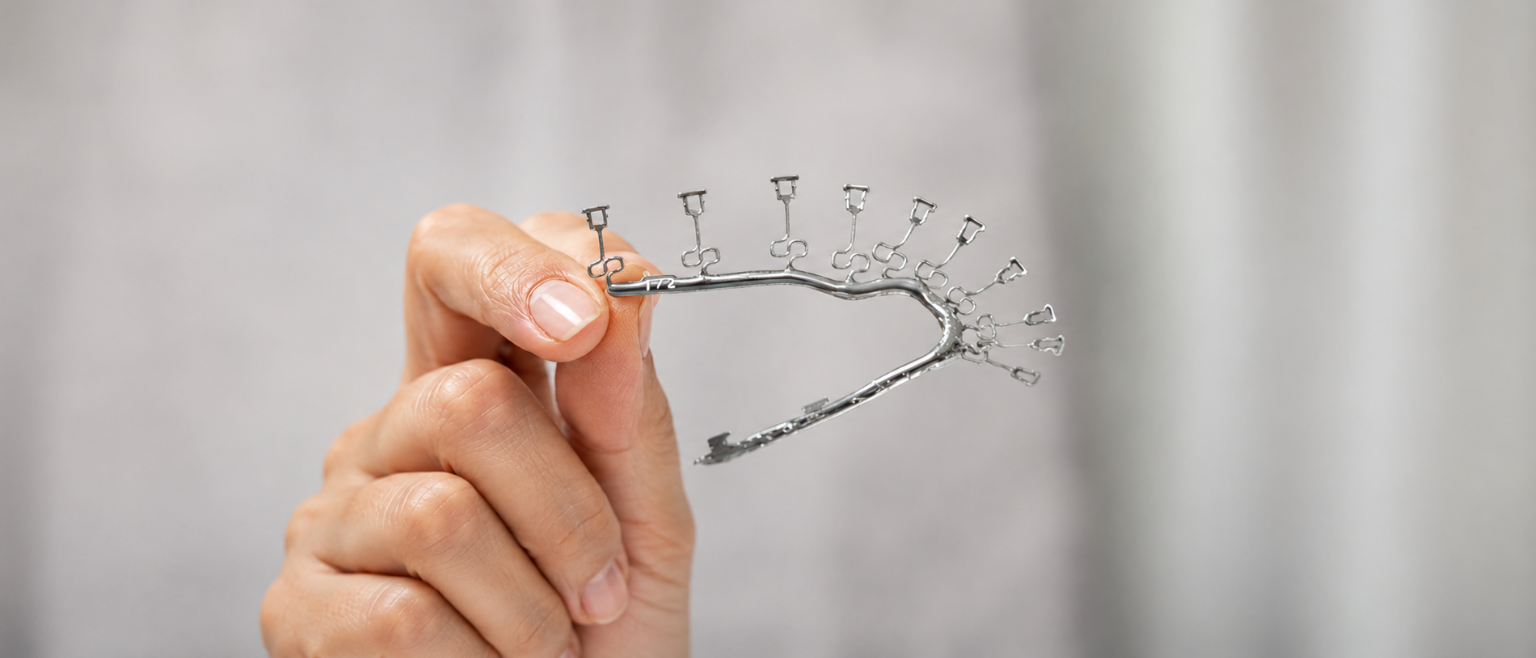
The “after” photo marks the end of active treatment, but not the end of the journey. Teeth have a natural tendency to shift back toward their original positions over time. This is why retainers are prescribed after every type of invisible braces treatment, without exception.
Most patients wear retainers at night on a long-term basis. It is a simple habit, but skipping it is the most common reason patients lose the results they worked months to achieve.
Retention remains essential regardless of how treatment was delivered.
The before/after transformation is the goal. The retainer is what keeps it.
Is This the Right Treatment for Your Before-and-After?
The right invisible braces depend on your specific starting point, your lifestyle, and what you want from the journey, not just the destination.
A few honest questions worth considering:
- What is your specific concern? Crowding, spacing, and bite issues each respond differently to different systems. More complex cases benefit from fixed precision.
- How important is discretion during treatment? Ceramic braces reduce visibility. Hidden braces remove it from view almost entirely.
- How realistic is daily compliance given your routine? If 20+ hours of daily wear is a stretch, a fixed system removes the need to track wear time.
- What does your schedule allow? 4–6 total visits over the course of treatment look very different from 12 or more.
Take the Next Step
The right invisible braces deliver a transformation that goes beyond straight teeth, it changes how you feel throughout the entire journey, not just at the end. A Brava provider will assess your case, understand your goals, and help you find the option that fits.
Frequently Asked Questions
What Can Invisible Braces Fix Before and After Treatment?
Invisible braces correct crowding, spacing, overbites, crossbites, and open bites. The extent of correction depends on the system used and the complexity of the case. Fixed hidden systems like Brava handle a wider range of complexity than removable aligners.
How Long Do Invisible Braces Take to Show Results?
Most patients begin noticing changes within the first few months. Full results depend on the case, with most Brava cases completed in approximately 6–12 months.
Are the Results From Invisible Braces Permanent?
Results are long-lasting when followed by proper retention. Teeth naturally tend to shift back over time, wearing a retainer as directed after treatment is essential to maintaining the outcome.
Do You Need a Retainer After Invisible Braces?
Yes, retainers are prescribed after all types of invisible braces treatment. Most patients wear them nightly over the long term to prevent teeth from shifting back toward their original positions.
Can Invisible Braces Fix an Overbite?
Yes. Both clear aligners and hidden braces can correct overbites, though more significant bite corrections often respond better to fixed systems, which deliver continuous, precise force throughout treatment.
What Is the Difference Between Clear Aligners and Hidden Braces Before and After?
The results can look similar, but the journey is completely different. With clear aligners, the during is visible and compliance-dependent. With hidden braces like Brava, the transformation happens largely out of sight, without daily wear to manage.
How Soon Will I See Changes After Starting Invisible Braces?
Most patients notice initial movement within the first 6–8 weeks. Visible changes become more apparent over the following months. With Brava, movement begins from the moment the braces are placed, working continuously 24 hours a day.
Are Invisible Braces Before and After Results the Same for Adults and Teenagers?
Results are comparable across age groups, though adults may see somewhat slower movement and typically need extra planning around existing dental work. Teens benefit from active jaw growth, which supports faster tooth movement. Both respond well to fixed hidden systems like Brava.
What Makes Brava Hidden Braces Different From Other Invisible Options?
Brava uses patented Independent Mover™ technology to move each tooth independently and simultaneously from day one, unlike aligners that depend on patient compliance, or traditional lingual braces that use archwires. Treatment requires just 4–6 office visits and works 24 hours a day, with no wear time to track.
What Should I Expect the Day I Get Invisible Braces Fitted?
The fitting appointment typically takes around a half hour to one hour. For Brava Hidden Braces, brackets are bonded to the back of the teeth, and the system begins working immediately, no adjustments needed before leaving. Like most treatments, your teeth will be sore for the first few days and some initial tongue discomfort is common and typically eases within the first couple of weeks.