
Aug 31 2026
Braces are not automatically better than aligners—and aligners are not automatically better than braces.
The right treatment depends on what your teeth need to do and how treatment fits your everyday life.
Aligners offer removability and a nearly invisible appearance. Braces can offer advantages when tooth movements become more complex. Your routine matters too, especially because aligners depend on prescribed daily wear.
The better question is: Which option can accomplish the movements my teeth need in a way I can realistically manage?
Are Braces Better Than Aligners Overall?
Neither is universally better.
The American Association of Orthodontists explains that treatment choice should begin with an accurate diagnosis while considering treatment goals and lifestyle.
For many appropriately selected cases, either approach can work well. The differences become more important when you consider case complexity, the tooth movements required, and how much treatment relies on daily patient participation.
For a broader side-by-side look at the advantages and disadvantages of each option, see The Difference Between Aligners and Braces.
When Might Braces Be Better Than Aligners?
Braces may offer an advantage when treatment requires difficult or highly controlled tooth movements.
When Treatment Requires More Precise Rotation or Torque Control
Some teeth need more than a simple shift. They may need to rotate or require precise control over the angle of the tooth and its root.
Research comparing braces and aligners suggests braces may offer an advantage for some rotation and torque movements, although the evidence is still developing.
When Complex or Extraction-Based Tooth Movement Is Needed
Case complexity matters.
Aligners can treat many orthodontic problems, but appliance selection becomes increasingly important as the required movements become more complicated.
Research on complex extraction cases found that both approaches can be effective, while braces showed advantages in controlling certain tooth positions and completing some extraction-based treatments more efficiently.
That does not make aligners a “simple cases only” treatment. It means your diagnosis—not appearance alone—should drive the choice.
When You Don’t Want Treatment to Depend on Daily Wear Time
Braces remain on the teeth throughout treatment. Clear aligners, by contrast, are generally prescribed for around 20–22 hours each day and only move teeth while they are being worn.
If you prefer a treatment model that does not depend on achieving prescribed wear hours every day, braces offer that distinction.
When Might Aligners Be Better Than Braces?
Aligners can be a strong choice when your case is suitable, removability matters, and you can consistently follow the wear schedule.
When Removability for Eating and Cleaning Matters
One of the clearest differences is simple: aligners can be removed.
If taking your orthodontic appliance out for meals and oral hygiene matters to you, that flexibility can make aligners appealing. We’ll look at the practical trade-offs below.
When You Want a Nearly Invisible Removable Option
Clear aligners are thin and transparent, making them discreet.
Tooth-colored attachments may still be required, so they are not necessarily invisible from every angle. But if you specifically want something both discreet and removable, aligners offer that combination.
When Your Case Is Suitable and You Can Follow the Wear Schedule
Aligners can be effective when your required movements suit the system and the trays are worn as prescribed.
Think of it as two requirements:
appropriate case + consistent wear.
Your orthodontist determines the first. The second depends largely on you.
Are Braces More Effective Than Aligners?
Not across the board.
A 2025 systematic review and meta-analysis found no significant difference in treatment quality between clear aligners and braces in non-extraction cases. In extraction cases, braces produced better treatment quality, which researchers attributed to greater control of tooth movement.
So effectiveness is less about declaring one appliance the winner and more about asking:
Which system can predictably perform the movements your case requires?
For a deeper look, explore Are Invisible Braces Effective?.
Are Brava® Hidden Braces Faster Than Aligners?
They can be, depending on the case.
Brava® works continuously once placed behind the teeth. Its Independent Movers® technology is programmed around a personalized digital treatment plan, allowing individual teeth to perform different movements independently and simultaneously.
Brava says most cases use only 1–2 appliance stages and publishes an estimated treatment range of 6–12 months, compared with 18–24 months for aligners in its own product comparison.
These are Brava’s estimates rather than a universal treatment-time promise. Your diagnosis, treatment needs, and individual response determine your actual timeline.
Which Requires More Patient Discipline: Braces or Aligners?
Aligners require more active day-to-day participation because prescribed wear time is part of the treatment.
Why Aligner Wear Time Matters
Consistently reaching the recommended wear time over weeks and months matters.
A study of 2,644 clear-aligner patients found substantial variation in patient compliance, reinforcing that prescribed wear cannot simply be assumed.
The practical question is: Can you consistently follow the wear schedule throughout treatment?
Why Braces Remove the Daily Wear-Time Decision
With braces, there is no daily wear-hour target to track.
You still need to care for your teeth and follow your provider’s instructions, but remembering to wear the orthodontic appliance is removed from the routine.
That can be particularly relevant for busy adults, teenagers, and families who would rather not manage daily wear tracking.
Prefer Treatment Without Daily Wear Tracking?
Which Fits Daily Life Better: Braces or Aligners?
Both can fit an active life, but they change your routine differently.
Eating and Drinking
Aligners are removed for meals, meaning fewer appliance-related food restrictions while they are out. You do, however, need to safely store and reinsert them.
Traditional front braces remain on the teeth, so hard, sticky, or chewy foods may need to be limited.
Brushing and Flossing
Aligners can be removed, providing unobstructed access for brushing and flossing.
Braces require cleaning around the appliance. Whichever treatment you choose, consistent oral hygiene remains essential.
School, Work, Travel, and Social Situations
Aligners offer removability, but that also means carrying, storing, cleaning, and managing trays away from home.
Brava offers a different experience. It stays behind the teeth, with no visible front brackets and no removable trays to carry or store.
Brava also reports an estimated 4–6 visits for many cases, which may matter to families, students, travelers, and professionals with busy schedules.
Which Is More Comfortable: Braces or Aligners?
Aligners may offer a short-term comfort advantage at certain points, but temporary pressure or soreness can occur with either treatment.
A systematic review and meta-analysis found lower pain scores with aligners on days three and four after treatment began, but no significant difference at the other measured time points.
Traditional front brackets and wires can also temporarily irritate the cheeks or lips.
Brava sits behind the teeth, so there is still an adjustment period as your tongue becomes accustomed to the appliance. Individual experiences vary.
For more on orthodontic discomfort, read Do Braces Hurt?.
What If You Want Braces Without Visible Front Brackets?
You do not have to choose only between visible front braces and removable clear aligners.
Brava® Hidden Braces offer another approach: treatment that stays out of sight from the front while continuing to work throughout the day.
How Brava® Hidden Braces Stay Out of Sight
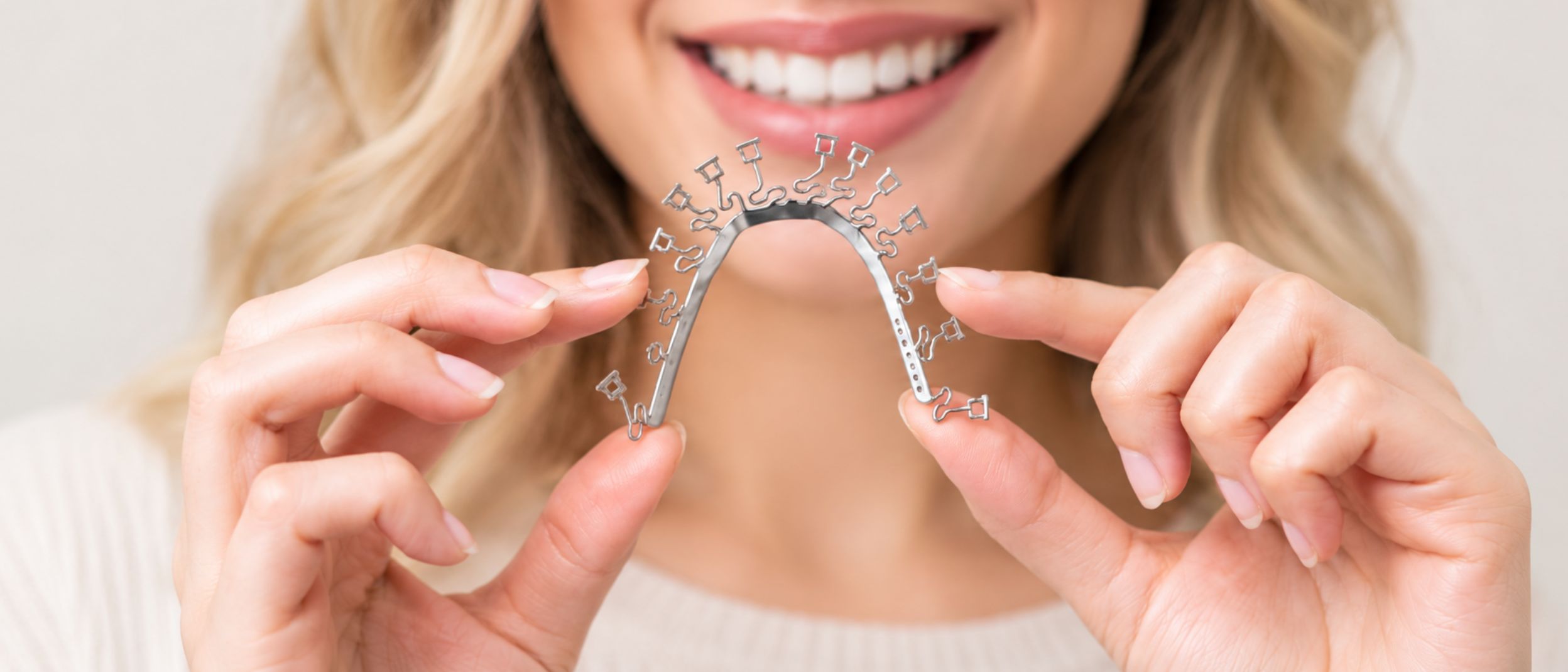
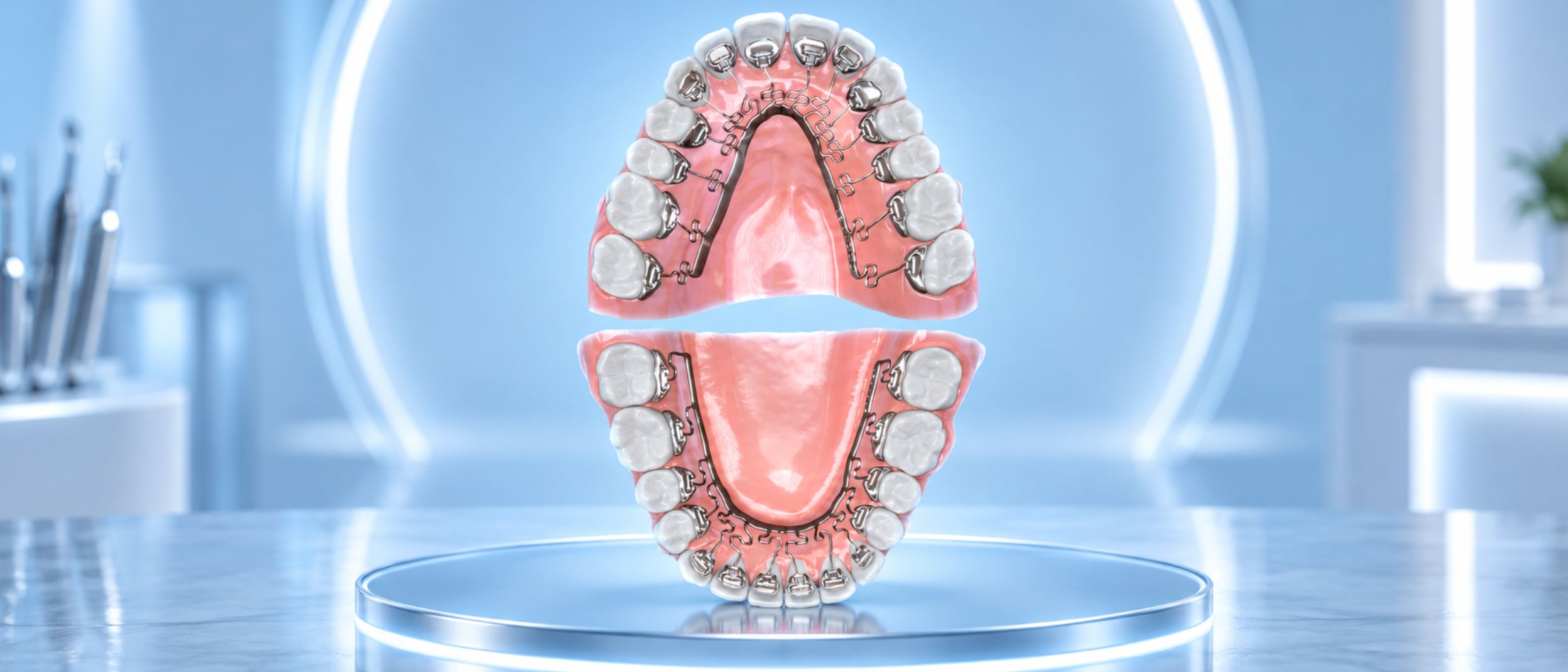
Brava is custom-fitted behind the teeth, keeping the appliance hidden from the front while you smile, work, study, or socialize.
That can be especially relevant if discretion matters but removable trays are not your preferred treatment experience.
How Brava® Removes the Need for Daily Aligner Wear
Brava remains on your teeth throughout treatment.
Instead of organizing your day around prescribed tray-wear hours, your focus shifts to caring for your teeth and following your provider’s treatment instructions.
For someone who wants discreet treatment with less day-to-day appliance management, that combination can be a meaningful lifestyle advantage.
How Independent Movers® Approach Tooth Movement Differently
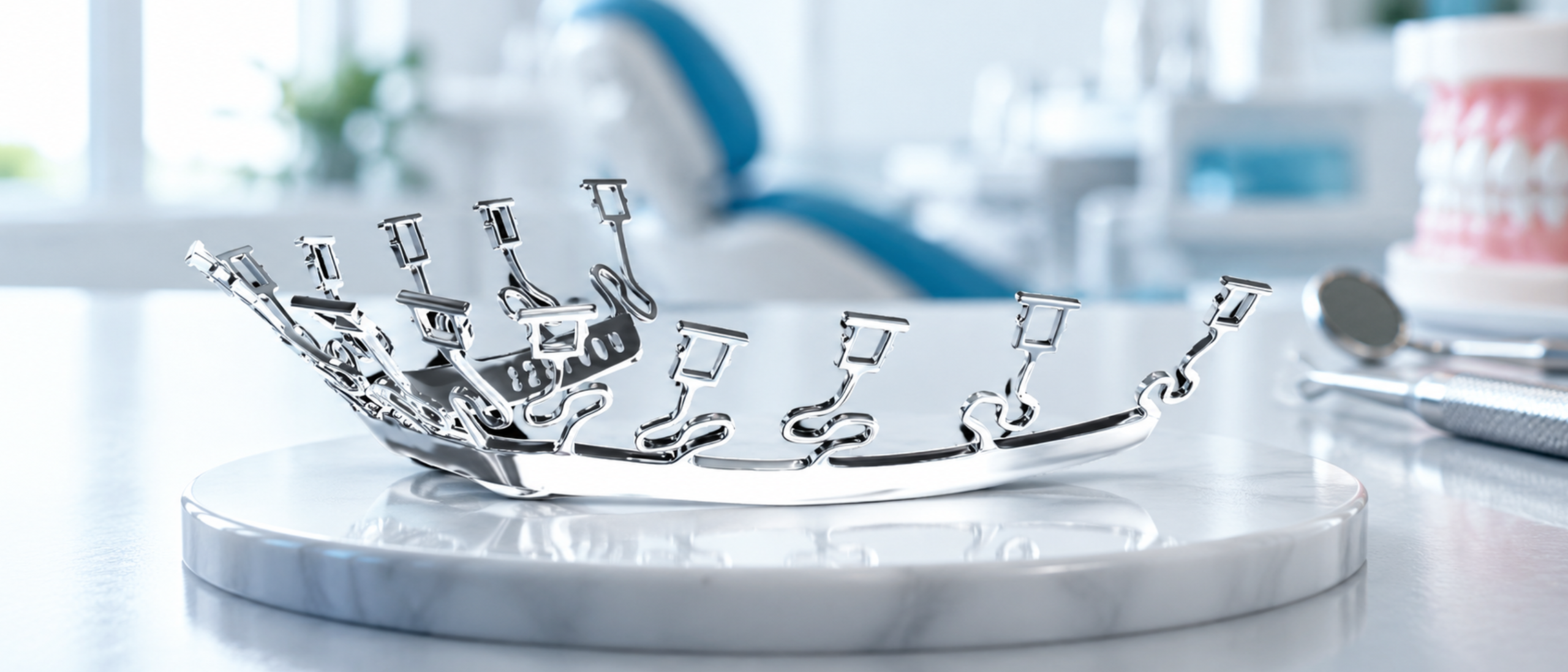
Unlike a sequence of aligner trays, Brava uses pre-programmed flexible arms to guide individual teeth according to a personalized treatment plan.
Different teeth can move independently and simultaneously rather than progressing through a long sequence of removable tray stages.
That brings Brava’s core benefits together: hidden placement, continuous treatment, and individualized tooth movement in one system.
So, Are Braces or Aligners Better for You?
The better treatment is not the one that wins the most categories. It is the one best suited to the movements your teeth need and the way you can realistically manage treatment.
Aligners may suit you if removability and a nearly invisible tray are priorities—and you can reliably follow the prescribed wear schedule.
Braces deserve consideration when movements are more complex or when you prefer treatment that does not rely on daily wear tracking.
If you want treatment that stays hidden, works continuously, and uses individually programmed tooth movement, Brava brings those priorities together in one system. Your provider can confirm whether Brava fits your case.
Cost matters too. Total treatment cost can vary by case complexity, provider, location, and insurance coverage, so compare the complete treatment plan rather than assuming one appliance will always cost less.
Frequently Asked Questions
Are Braces Better Than Aligners for Complex Cases?
They can be. Both can treat many orthodontic problems, but braces may offer greater control for certain difficult rotations, root-angle movements, extraction cases, and other complex corrections.
Are Braces More Effective Than Aligners?
Neither is universally more effective. Research shows similar treatment quality in many non-extraction cases, while braces may offer advantages for some complex or extraction-based cases.
Do Brava® Hidden Braces Work Faster Than Aligners?
They can. Brava works continuously and uses Independent Movers® to guide individual teeth according to the treatment plan. Brava publishes shorter estimated treatment ranges than aligners in its own comparison, but your actual timeline depends on your case.
Are Braces Better Than Aligners for Teenagers?
It depends on the teen and the treatment required. Aligners can work well when a teenager consistently follows the prescribed wear schedule. Braces may suit families who prefer not to make daily wear tracking part of treatment.
Are Aligners More Comfortable Than Braces?
They may be at certain early points. Research found lower pain with aligners on days three and four after treatment began, but not consistently at other measured time points. Individual adjustment experiences vary.
Can You Get Braces That Are Hidden Behind Your Teeth?
Yes. Lingual braces sit behind the teeth rather than on the front. Brava® Hidden Braces use behind-the-teeth placement while continuing treatment throughout the day.